Currency Hong Kong dollar (HKD). Pegged to the US dollar between 7.75 and 7.85 HKD per USD since 1983 (verify before travel).
Octopus Card A rechargeable card that pays for the MTR, trams, ferries, 7-Eleven and virtually any cha chaan teng. Buy one on arrival.
Cards Visa, Mastercard and AmEx work at hotels, formal restaurants and malls. Apple Pay and Google Pay are widely accepted.
Cash HKD Needed for taxis, traditional markets, dai pai dong and temple offerings. Exchange 150 to 300 USD on arrival.
ATMs HSBC and Bank of China ATMs dispense HKD at good rates. Avoid money changers on Nathan Road.
Gratuities Automatic 10% service charge at formal restaurants. An additional tip of 10 to 20 HKD is optional for outstanding service.
Latin America Colombians, Mexicans, Argentinians, Chileans and most South Americans do not require a tourist visa.
Length of stay Up to 90 days for visa-exempt nationalities. Spain and Brazil are also exempt.
Own system Hong Kong operates its own immigration system, separate from mainland China.
Mainland China If you plan to cross into Shenzhen or Guangzhou, you need to obtain a separate Chinese visa, which can be processed in 24 hours.
Passport At least six months of remaining validity is recommended on entry. Carry printed details of your first hotel and outbound flight.
Vaccines None mandatory from Latin America or Europe, except yellow fever if travelling from a country with active transmission.
Recommended Up-to-date routine vaccinations, hepatitis A and B, and a seasonal flu booster in winter.
Healthcare One of Asia's finest. Private hospitals with trilingual staff: Adventist, Sanatorium, Matilda International.
Pharmacies Mannings and Watsons operate in all main neighbourhoods, open until late.
Insurance Essential — ensure it covers hospitalisation and evacuation. Tap water is potable, though filtered is preferable.
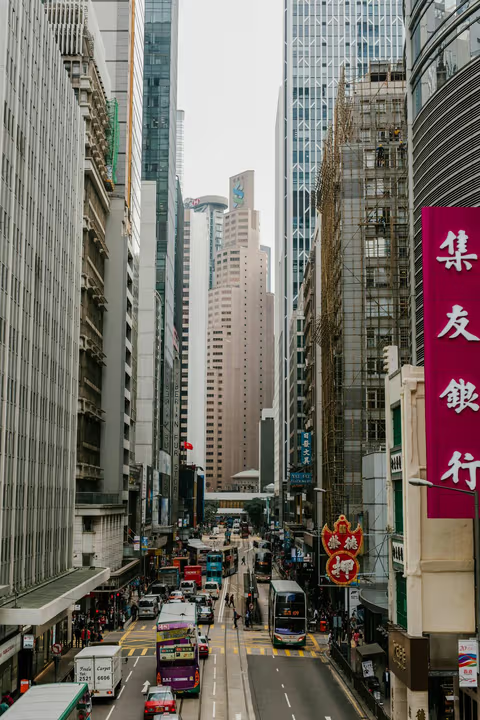
MTR The world's finest metro: silent, every two minutes, air-conditioned and with trilingual signage. Your primary mode of transport.
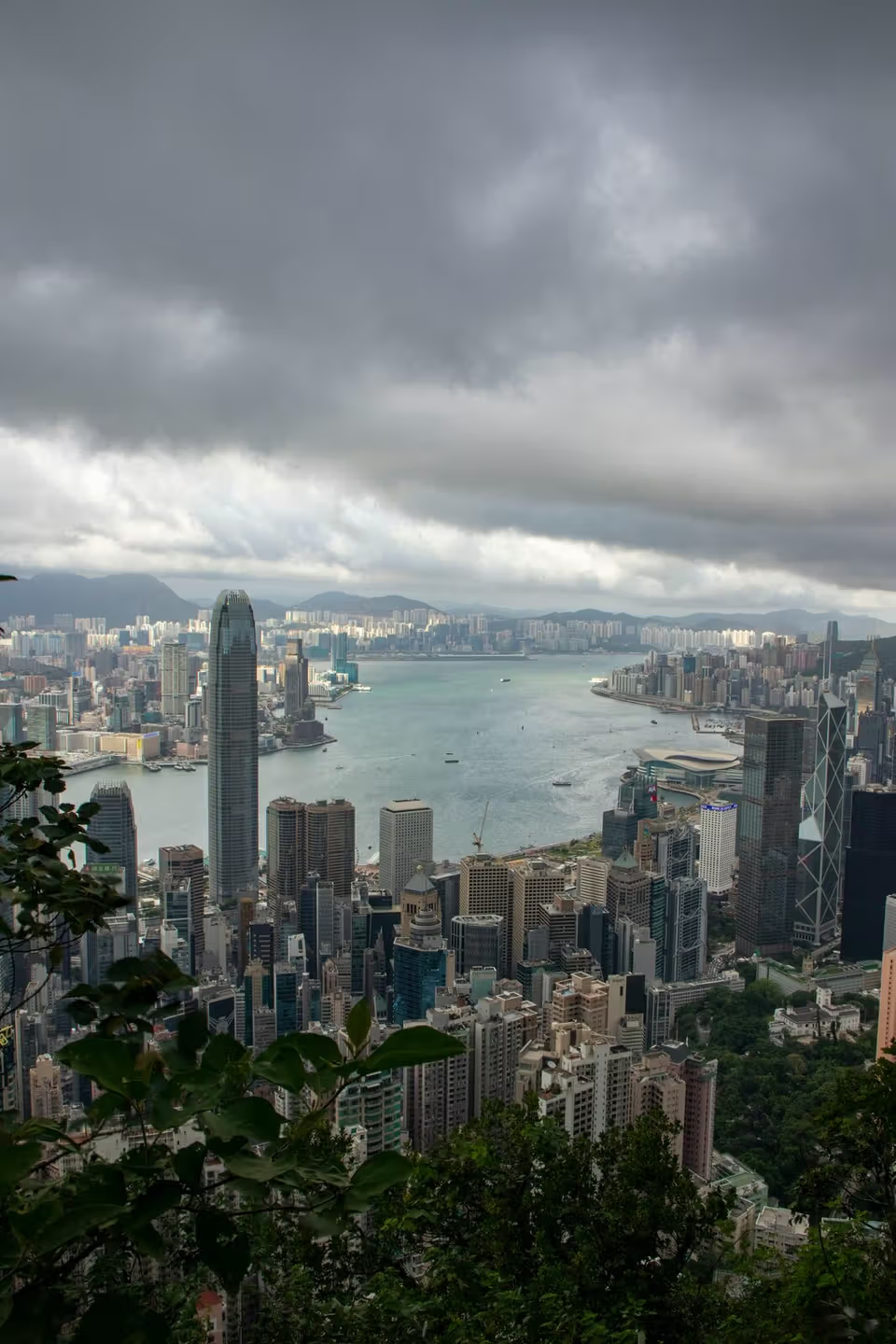
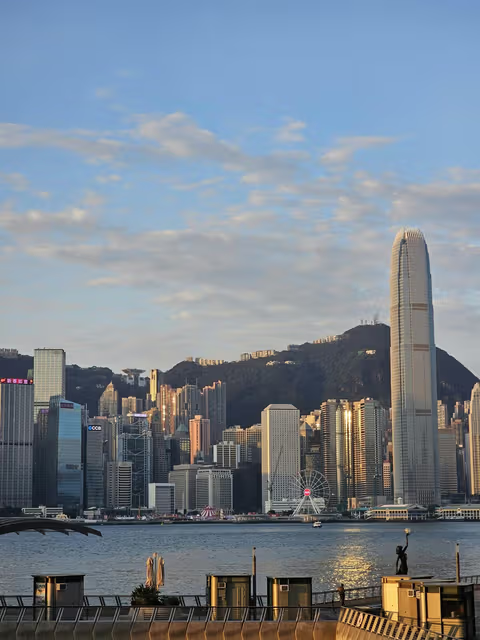
Star Ferry Crosses Victoria Harbour between the island and Kowloon for under 4 HKD. The trip's most memorable postcard moment.
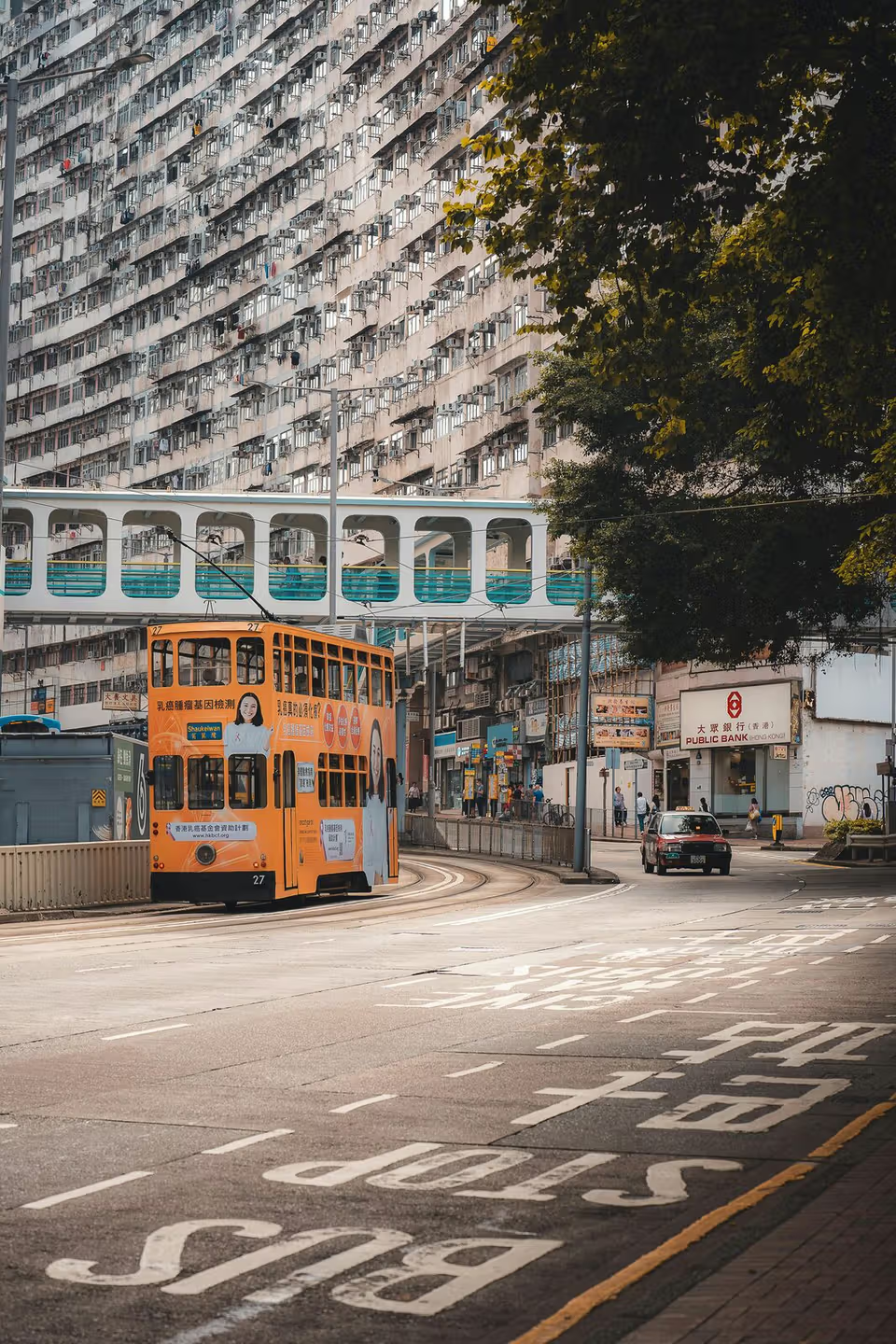
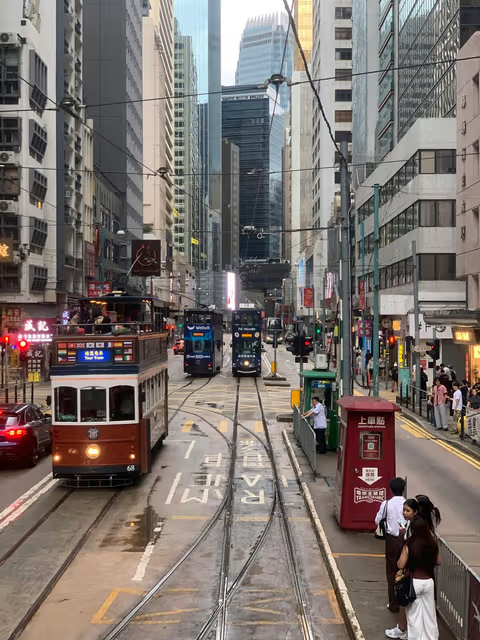
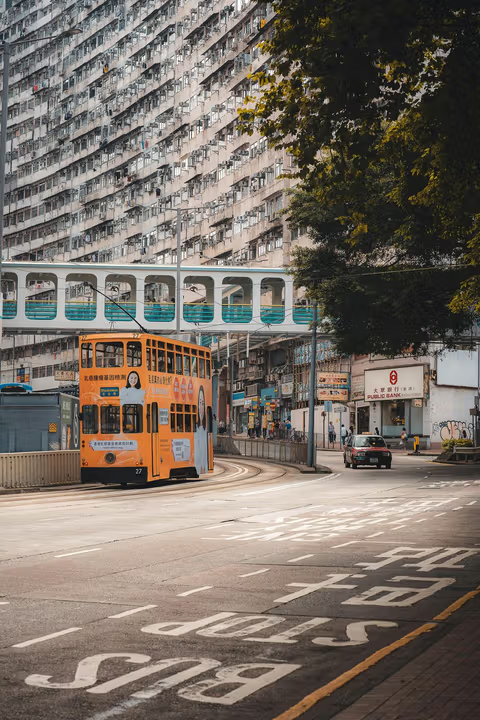
Ding Ding tram The island's double-decker trams, in service since 1904, cost 3 HKD. More of an experience than mere transport.
Taxis Red on the island and Kowloon, green in the New Territories, blue on Lantau. Carry your destination address in Chinese.
No car needed Hiring a car makes no sense: public transport is superior and driving is on the left.
Official languages Cantonese and Mandarin Chinese, written in traditional Chinese characters, and English.
English Functional in all tourist spaces: hotels, restaurants, licensed taxis, the MTR, museums and hiking trails.
Cha chaan teng In local cafés and markets menus may be in Chinese only. Photos and Google Lens will sort it out.
Vocabulary M̀hgōi (thank you) · Néih hóu (hello) · cha (tea) · faan (rice) · mein (noodles).
Spanish Marginal, except in international hotels with multilingual concierge staff.
Chopsticks Never stick them upright in rice — that gesture is associated with funeral incense offerings.
The number four Sounds similar to "death" in Cantonese. Do not give gifts in groups of four, or give watches to elderly people.
Tea To thank someone for pouring your tea, tap the table twice with your index and middle fingers.
Volume Speaking loudly on the MTR or in refined restaurants draws stares. Local culture values a moderate tone.
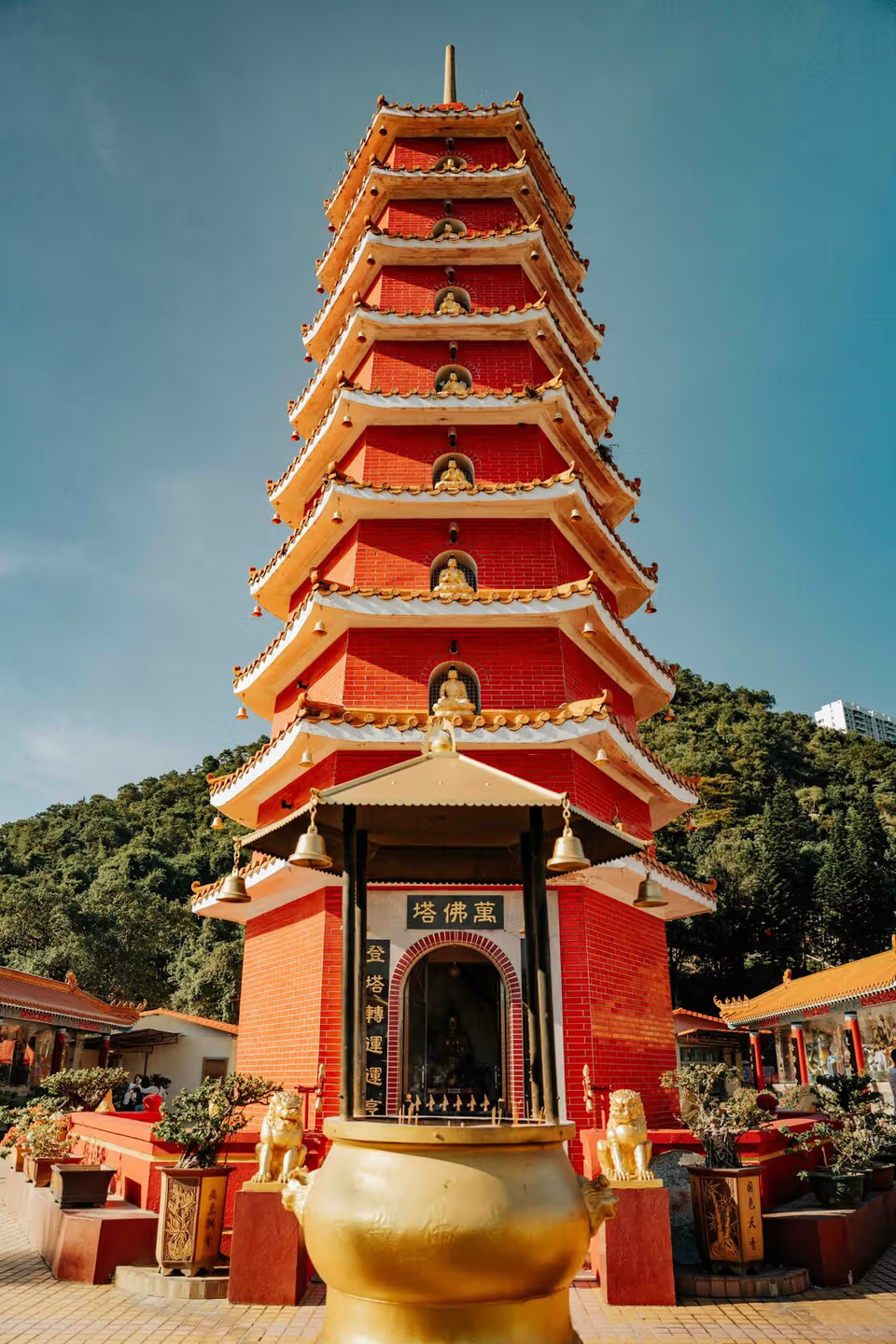
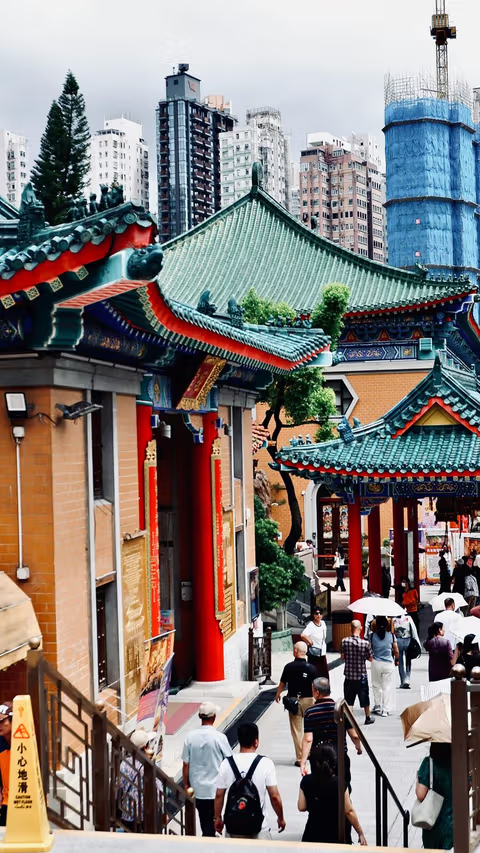
Temples Cover shoulders and knees, keep your voice low, do not point at statues. Photography without flash.