CocoVolare Experience, Mexico, 2027

Día de Muertoswhere memory blooms

Intangible Cultural Heritage of Humanity. Mexico's most poetic celebration, lived from within: among candles, cempasúchil blooms and altars that once again open the doors between worlds.

Scroll
UNESCO · 2008 Intangible Cultural Heritage
of Humanity

Those who sleep in our memory are not dead

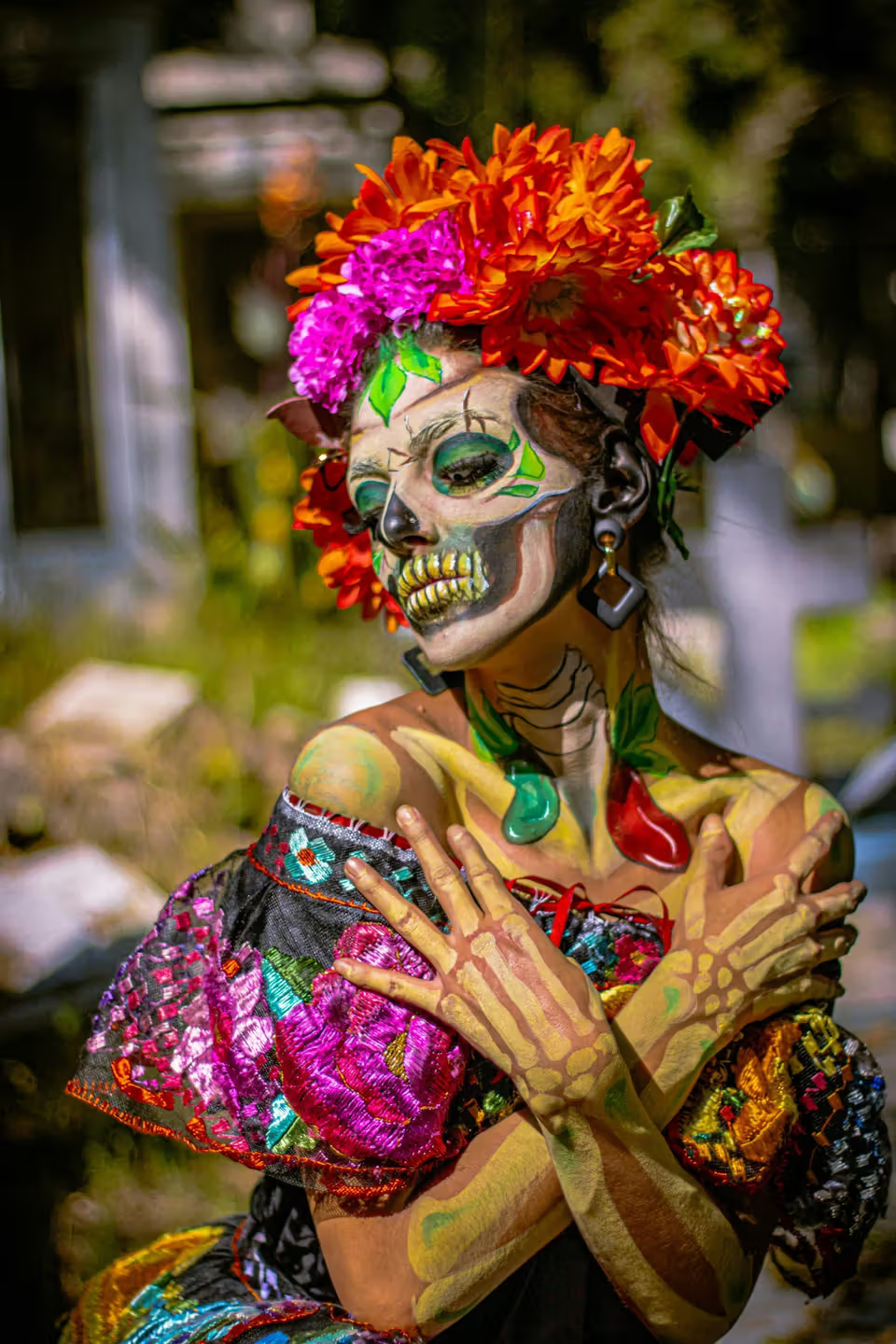
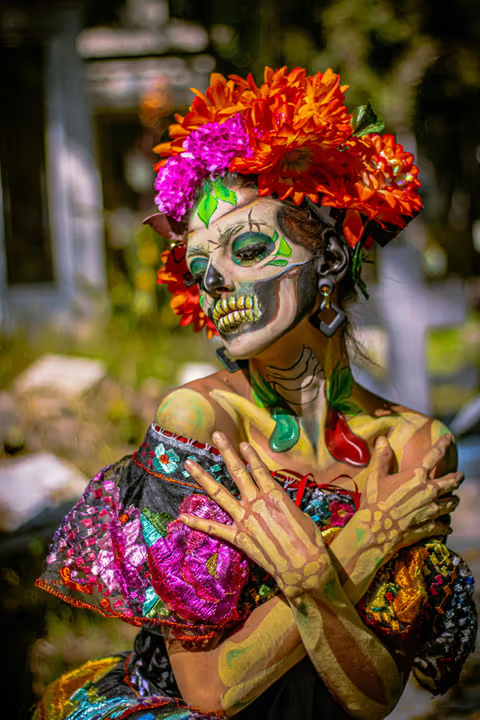
Catrina in profile among cempasúchil flowers, Día de Muertos portrait
Mexico · Highlands

memory blooms

The feast of the soul

Where death dresses in flowers

Every year, at the end of October and start of November, all of Mexico transforms. Altars bloom in the plazas; thousands of candles are lit in cemeteries; homes fill with pan de muerto, mole and laughter that reach back through centuries. Día de Muertos is not a farewell: it is a reunion.

UNESCO declared it a Masterpiece of the Oral and Intangible Heritage of Humanity. It is a tradition that weaves together pre-Hispanic cosmovision and colonial Catholicism, lived differently in every corner of the country: the night of Janitzio, the vigils of Mixquic, the CDMX parade, the sawdust carpets of Oaxaca. Each one is an unrepeatable chapter.

CocoVolare opens the right doors so you can live it from within. Not as a spectator: as a guest. With the families who still hang flowers on their doors, with the cooks kneading the bread, with the musicians who sing in the cemetery. All coordinated, all respectful, all yours.

The moments of the journey

Five acts worth the whole journey

Each one curated with privileged access and specialist guidance.

Overture Monumental offering in the Zócalo of Mexico City with papel picado and cempasúchil
Act 1, CDMX

Monumental offerings and intimate museums

Mexico City wakes transformed into an open-air gallery. Monumental offerings in the Zócalo, altars by artists at the Anahuacalli Museum, a private tour of Frida Kahlo's Casa Azul with an exclusive curator, and a guided walk through the markets of Jamaica and Mixcalco, where the flowers and candles that will light thousands of homes that night are chosen.

Arrive a day early to acclimatise to the altitude (2,240 m). Drink water generously and rest the first afternoon. Your body will thank you when the long walks among the altars begin.
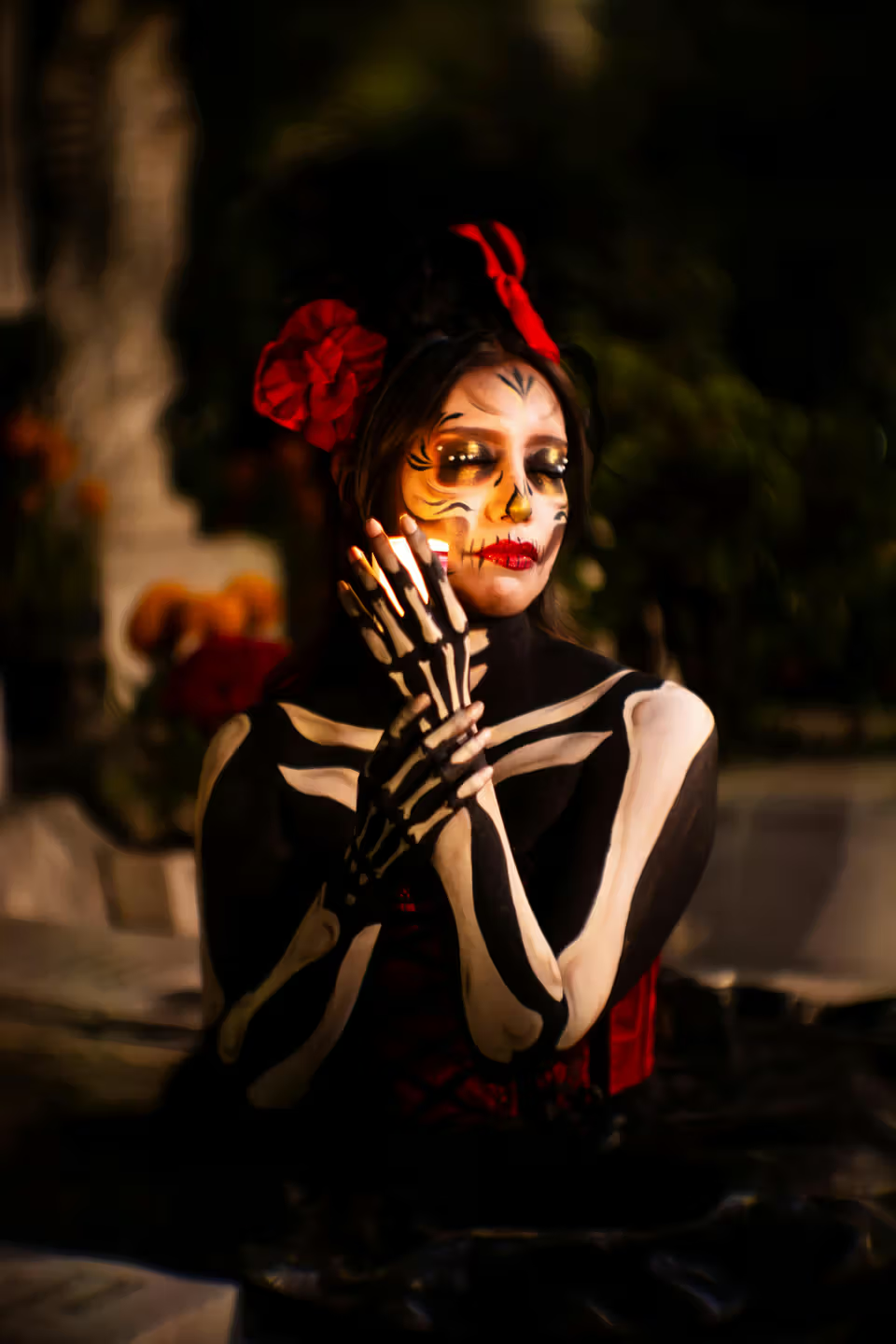
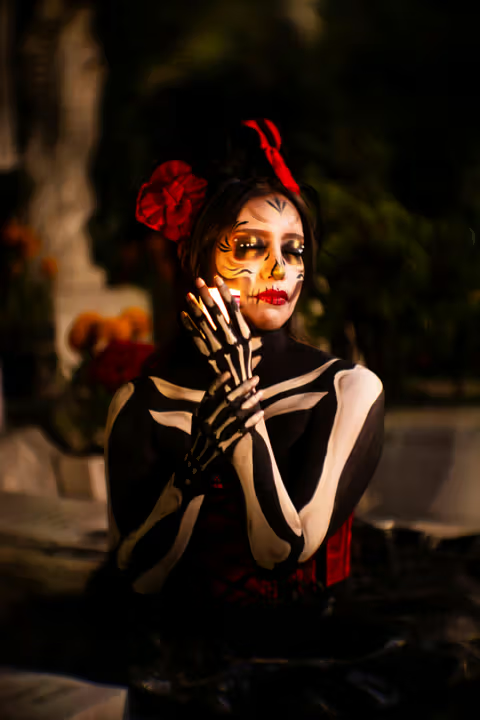
Sacred vigil Night of the Dead in Michoacán, Catrina with candle in an illuminated cemetery
Act 2, Michoacán

Night of the Dead on Janitzio

A private canoe crossing of Lake Pátzcuaro at nightfall. On the island of Janitzio, thousands of candles light the cemetery while Purépecha families keep vigil over their dead with chants in their native tongue. It is silent, profound, and likely the most beautiful thing you will see in your life. Access is coordinated with local families who open their altars.

Bring warm clothing, gloves and a scarf. It gets genuinely cold on the lake at night (10-12 °C, 50-54 °F). Respect is absolute: no flash photography, no raised voices in front of the altars.
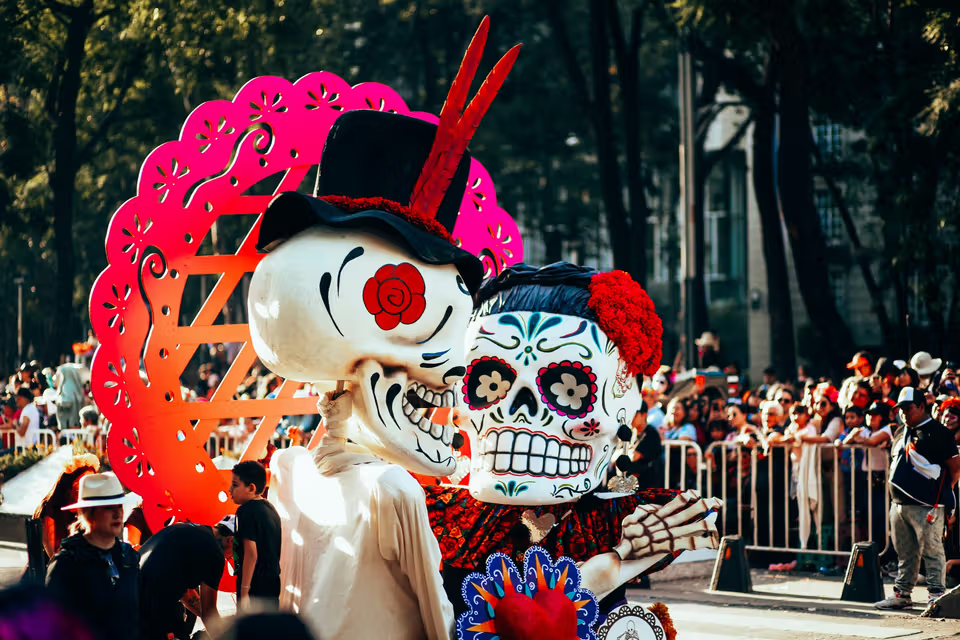
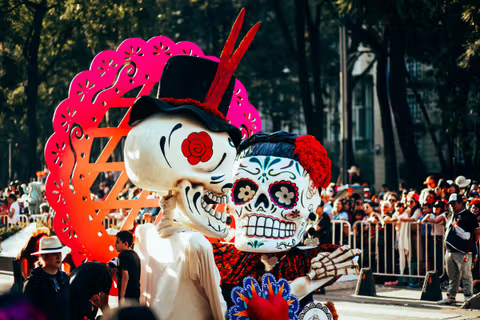
Urban spectacle International Día de Muertos Parade in CDMX with giant skeletons
Act 3, CDMX

International Día de Muertos Parade

Allegorical floats, towering Catrinas, brass bands, mass choreographies and hundreds of thousands of spectators flowing along Paseo de la Reforma to the Zócalo. Born in 2016 inspired by a film scene, it has become a cultural phenomenon. Access in the VIP zone with a preferential view, seats, service and zero friction with the crowd.

Suggested dress: elegant with a wink — a cempasúchil flower on the lapel, a small calaverita pendant, or a discreet Catrina painted on your face. Everything coordinated with specialist makeup artists on the day.
Ancestral root Mixquic, La Alumbrada, catrines among cempasúchil with a colonial church behind
Act 4, Mixquic

La Alumbrada, unfiltered

South of CDMX, the town of San Andrés Mixquic preserves the purest tradition of the highlands. At 20:00 on November 2nd, thousands of families enter the cemetery with candles, flowers and memories. There are no parades, no stages, no professional cameras: only community, faith and memory. Early access with a local guide to meet families who share their offerings.

This is the most intimate moment of the trip. Transfers are timed to leave ahead of peak crowds and avoid traffic. It is not about photographing everything; it is about being present. A small discreet camera is enough.
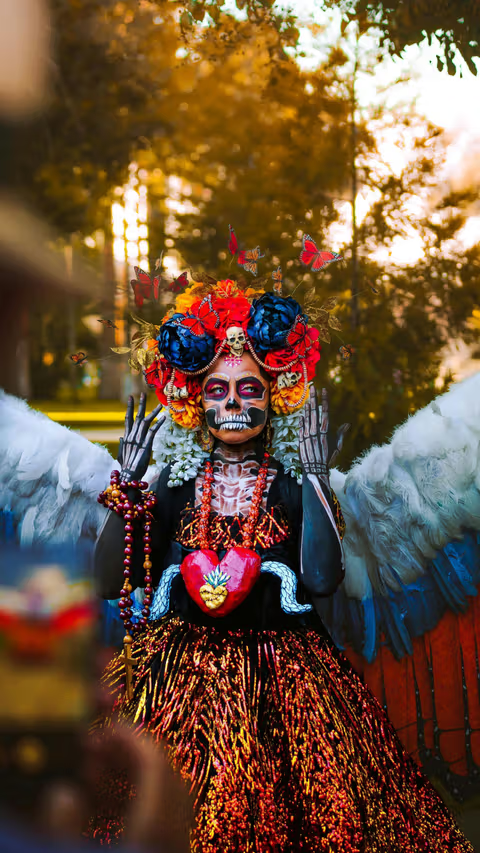
Flavour and mezcal Oaxaca, comparsa with turquoise catrín mask and colourful costume
Act 5, Oaxaca

Comparsas and mezcal beneath the stars

Oaxaca is colour, rhythm and flavour. Comparsas crossing the historic centre with live music, hand-painted sawdust carpets on the streets, and a private dinner with a celebrated chef who cooks mole negro from a family recipe while explaining each ingredient. A tasting of artisanal mezcales from small palenques. Markets brimming with chapulines, quesillo and stone-ground chocolate.

Oaxaca sits at medium altitude (1,555 m) with a temperate climate. Bring comfortable footwear — the streets are cobblestoned. And open your palate: mezcal is sipped slowly, kissed rather than drunk in a single shot.
Why it matters

A tradition measured in millennia

3000+
Years of pre-Hispanic roots
2008
UNESCO recognition
7
Elements of the traditional altar
32
Mexican states celebrating
The offering

Anatomy of an altar

Every element carries meaning. Nothing on an ofrenda is casual.

Día de Muertos altar with its seven elements
  • Cempasúchil

    The yellow flower whose fragrance and colour guide the souls on their return. A path of petals from the door to the altar.

  • Candles and votives

    The light that illuminates the way through darkness. Each candle is lit for a loved one, for a named soul.

  • Pan de muerto

    The ritual bread par excellence. The dough strips on top represent the bones; the central ball, the skull.

  • Sugar calaveritas

    Sweets with the name of the departed written on the forehead. They celebrate death without fear, with sugar.

  • Copal and incense

    The sacred smoke that purifies the space and connects the world of the living with that of the dead.

  • Photograph of the departed

    The portrait that names who is expected that night. The emotional heart of the altar.

  • Water, salt, food and drink

    Everything the departed loved in life. Their tequila, their coffee, their favourite dish, water for the long journey.

Where to live it

Four geographies, one single night

Each place celebrates Día de Muertos in its own way. The experience weaves together the most iconic.

Mexico City, monumental offering in the Zócalo with cempasúchil alebrije
Capital · Stagecraft

Mexico City

Monumental parade, offerings in the Zócalo, Xochimilco lit by candles, Anahuacalli and Casa Azul. The tradition on a theatrical scale.

Pátzcuaro and Janitzio, Michoacán, floating offering with candles among cempasúchil
Michoacán · Lake

Pátzcuaro and Janitzio

The Purépecha Night of the Dead: cemeteries lit by thousands of candles and the canoe crossing to the country's most sacred lake.

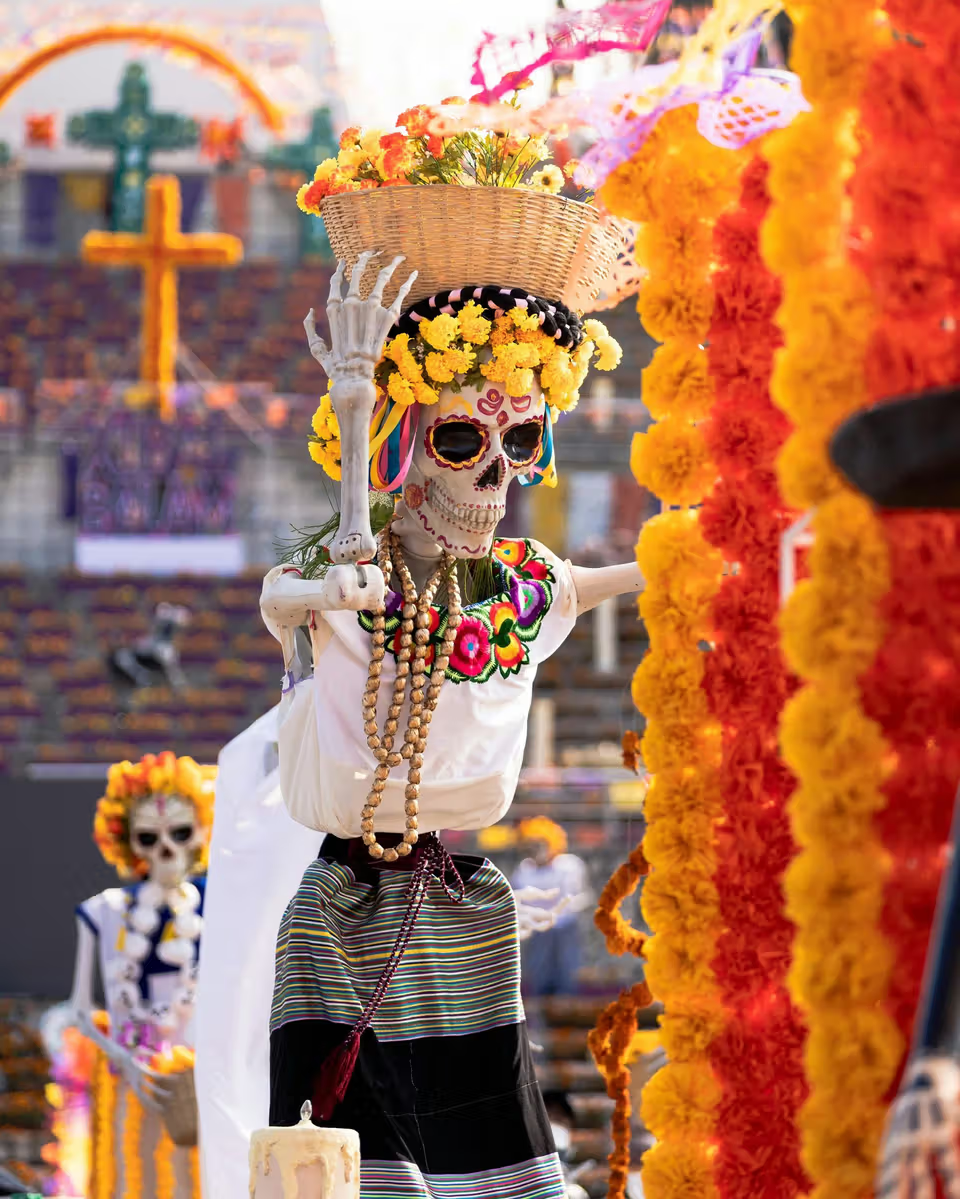
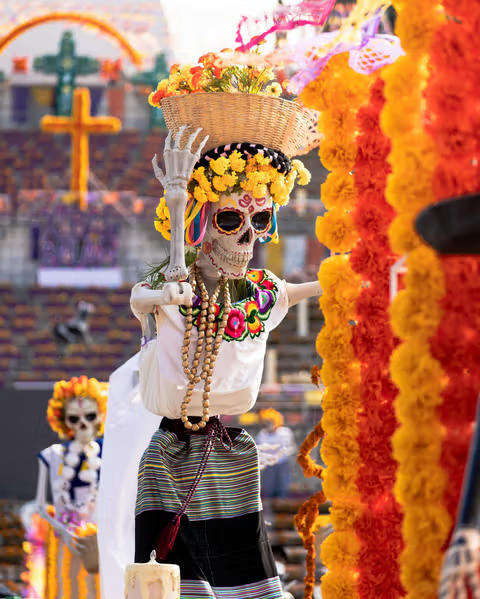
Oaxaca, traditional Catrina with basket of cempasúchil at the parade
Oaxaca · Colour

Oaxaca

Comparsas through the streets, sawdust carpets, mezcalerías open all night and the liveliest markets on the continent.

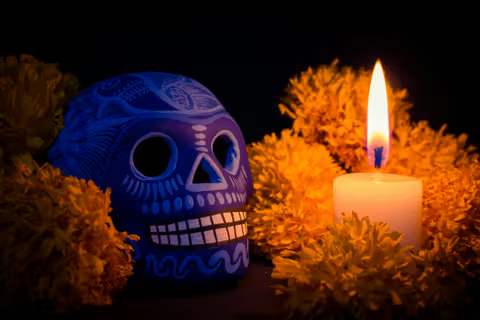
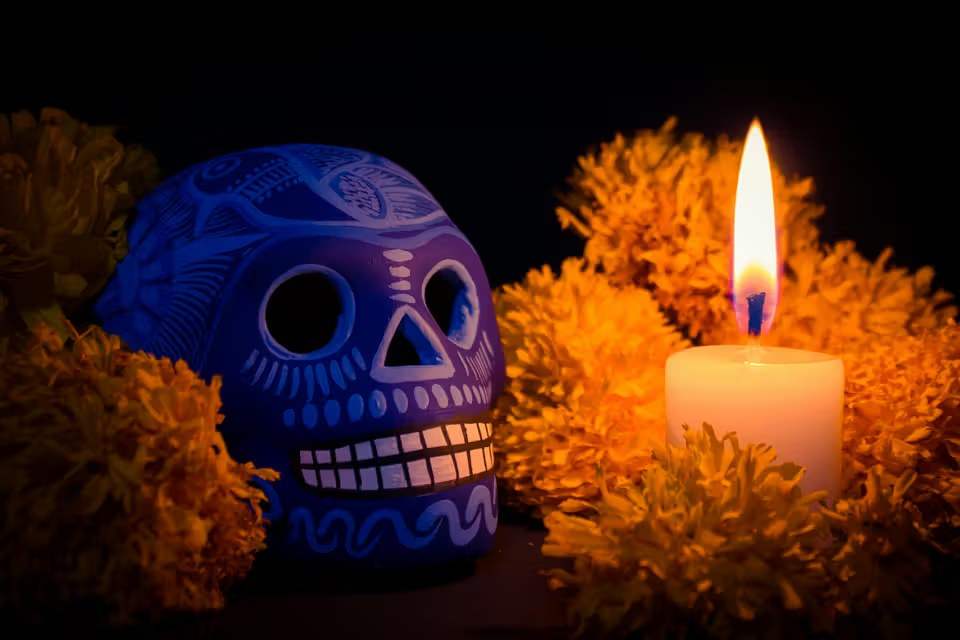
Mixquic, intact tradition with blue Talavera skull and candle among cempasúchil
CDMX · Pure tradition

San Andrés Mixquic

La Alumbrada, a communal vigil of thousands of candles in the cemetery. No theatricality: tradition intact since the 16th century.

The pulse of the celebration

The feast, in motion

What you see, feel and hear among candles, drums and papel picado.

Opening act · CDMX

Procession through the Zócalo

Monumental skulls move through the historic heart of the capital as thousands of voices join in a single heartbeat.

International Parade

Batucada of catrines

Drums, charros and choreographies that raise the hair on your skin under the Reforma sun.

Colonial comparsa

Calacones under the arch

A kiss between giant skeletons that halts time and landscape alike.

The rhythm of the journey

Typical itinerary, with soul

A reference flow, adjustable to your preferences and to the official calendar.

Day 1, CDMX

Arrival, acclimatisation and a first altar

Flight to Mexico City, private transfer to the hotel, check-in and welcome kit with pan de muerto. A gentle afternoon of altitude acclimatisation. At dusk, a private visit to a family ofrenda in Coyoacán and a curated dinner at a restaurant with a terrace. Cultural briefing to step into the experience on the right foot.

CocoVolare kit Family ofrenda Curated dinner
Day 2, CDMX

Museums, markets and parade

Morning at the Anahuacalli Museum with monumental ofrendas by contemporary artists, followed by Frida Kahlo's Casa Azul with a private curator. Lunch at a traditional-cuisine restaurant. In the afternoon, a walk through the Jamaica and Mixcalco markets, the largest flower markets in the country. By night, the International Día de Muertos Parade from a VIP zone with service.

Anahuacalli Casa Azul Flower markets VIP parade
Day 3, Michoacán

Pátzcuaro and the Night of the Dead

Short flight to Morelia and private transfer to Pátzcuaro. Visit to the historic centre, lunch by the lake with freshly caught white fish. At nightfall, the canoe crossing to Janitzio. On the island, a vigil with Purépecha families: candles, chants, shared food. Return to a boutique hotel in Pátzcuaro, optional Catrina makeup workshop.

Short flight White fish Crossing to Janitzio Purépecha vigil
Day 4, CDMX and Mixquic

La Alumbrada

Return to CDMX in the morning. A free afternoon for art, shopping or mezcalería. At nightfall, a private transfer to San Andrés Mixquic, early entry to the cemetery with a local guide, visits to homes that open their altars, the La Alumbrada vigil at 20:00. A late dinner back in the city at a creative-cuisine restaurant.

Free afternoon Local guide La Alumbrada, Mixquic
Day 5, Oaxaca (optional extension)

Comparsas, mole and mezcal

Flight to Oaxaca. Stroll through the historic centre and the sawdust carpets. Private tasting of artisanal mezcales at a family palenque outside the city. At nightfall, follow a local comparsa and enjoy a private dinner with a celebrated chef who cooks mole negro in front of the group.

Sawdust carpets Mezcal tasting Mole negro Comparsa
Day 6, Departure

A last coffee, a last loaf

Breakfast at the hotel with free time. Private transfer to the airport. Return flight. Post-trip follow-up from the CocoVolare team, with a personalised letter that arrives in the days after and a curated archive of professional photographs from the journey.

Breakfast Private transfer Photo archive
Expected climate

Mexican autumn, cool nights

Late October and early November in the central highlands, ideal for open-air vigils.

Day, CDMX
20 to 24 °C68 to 75 °F, sunny
Night, CDMX
10 to 12 °C50 to 54 °F, cool
Rainfall
Almost nonedry season
Altitude
2,240 m, CDMXHydrate well
The table of remembrance

Flavours that only live on these days

Each dish is centuries old, cooked by hands that learned it from their grandmothers.

Pan de muerto

A sweet bread dusted with sugar, scented with orange blossom and crowned with strips of dough shaped like bones. The Oaxacan version is denser and more compact; the capital's is fluffier.

Oaxacan mole negro

Thirty-four ingredients: dark chillies, cacao, plantain, bread, spices and a great deal of time. Served with turkey and white rice. The recipe shifts from one family to the next.

Bean tamales

Small tamales wrapped in banana leaf, filled with bean and epazote. A common offering on the altar, a popular street food during the Days of the Dead.

Sugar calaveritas

Sugar skulls bearing the name of the departed — or of the living. In Oaxaca they are made of chocolate and amaranth. They are gifted, eaten, placed on the ofrenda.

Artisanal mezcal

Distilled from agave cooked underground, smoky, from a small palenque. The one drunk in Oaxaca — not the commercial kind. Served with worm salt and orange.

Cacao atole and champurrado

A thick hot drink based on corn, with pure cacao or chocolate masa. Sold in markets and outside cemeteries on the cold nights.

Figures and symbols

The faces of Día de Muertos

These are not decoration: they are symbols with centuries of history and precise meaning.

La Catrina

The most iconic figure. Born in 1912 from José Guadalupe Posada's engraving as social critique: death levels everyone, regardless of the hat they wear. Diego Rivera popularised her in his mural, and Frida Kahlo adopted her as a talisman. Today she is the face of the celebration.

Alebrijes

Fantastical animals carved in wood and painted in impossible colours. They emerged from the dreams of artist Pedro Linares in the 20th century. They are the spirit guides of the path between worlds, each with its own power.

Xoloitzcuintle

The sacred hairless dog of the Mexica, an ancestor of thousands of years. In pre-Hispanic cosmovision, it escorts the soul across the nine rivers of Mictlán. Today it is a living symbol still bred in Mexico.

Literary calaveritas

Brief rhymed verses, published since the 19th century, that poke fun at death or at public figures. A living tradition: every year the newspapers publish new calaveritas about current personalities.

Papel picado

Banners of tissue paper chiselled by hand. The wind that moves them symbolises the arrival of the souls. The colours carry meaning: orange for cempasúchil, purple for mourning, white for purity.

Mictlán and its nine levels

The pre-Hispanic underworld. The Mexica believed the soul crossed nine trials over four years to find rest. Día de Muertos is when those souls, now at rest, return to visit.

To live it well

CocoVolare recommendations

What your guide would whisper in your ear, already here.

Layers, always layersThe days are mild, the nights cold. A light jacket, thin scarf and warm socks make all the difference in the cemeteries.
Comfortable closed shoesThere is a lot of walking, on stone, at night. Shoes with a firm sole beat pretty ones.
Hydration and altitudeCDMX sits at 2,240 m. Drink twice as much water, ease off alcohol the first two days, avoid heavy meals on arrival.
Respect in the cemeteriesNo selfies with other people's altars. No flash. Low voices. Never step on an ofrenda, even if it is laid on the street.
A discreet cameraA modern phone or a small mirrorless camera is ideal. Candlelight calls for bright lenses or high ISO, never flash.
Catrina makeup, optionalA private workshop coordinated on the day of the parade. Hypoallergenic paint, makeup remover included. Not mandatory, but part of the play.
Cash and cardMarkets and small towns run on cash. Hotels and restaurants take cards without issue. CocoVolare leaves a small bag with change in the transfer.
Bring a photographIf there is someone you want to remember on this journey, bring their picture. You will find altars that invite you to add it. It is part of the inner journey.
Postcards from the journey

Images that stay

Catrinas, calacones, alebrijes and cempasúchil. A sampler of what you saw, felt and will not forget.

Those are not dead
who are remembered

Mexican folk wisdom
CocoVolare style

Every detail, cared for

Direct and regional flights

International or domestic flight to CDMX, plus short flights to Morelia and Oaxaca on flexible fares with luggage included.

Superior-category hotels

Boutique or luxury hotels in CDMX, Pátzcuaro and Oaxaca. Historic or contemporary options according to the group's preference.

Private transport

An exclusive van with a bilingual driver who knows the routes, closures and logistics of each celebration.

Curated access

VIP zone at the parade, private visits to museums and family homes, canoe crossing to Janitzio, local guide in Mixquic, tastings at Oaxacan palenques.

Specialist cultural guide

A historian or anthropologist who accompanies the group and explains the cosmovision, the symbols, the living history of each place.

Welcome kit

Freshly baked pan de muerto, an artisanal candle, a book by Octavio Paz and a fresh cempasúchil on arrival. So you begin to feel it right away.

Frequently asked questions

Everything you need to know

Clear answers so only one thing is left to decide: to come.

About the tradition
01When exactly is it celebrated?

The central dates are November 1st and 2nd: the first honours departed children (Day of the Innocents or All Saints') and the second the adults (Day of the Faithful Departed). In many towns the celebrations stretch from October 28th to November 3rd, which is why the CocoVolare experience is designed around those days.

02Why is it UNESCO heritage?

UNESCO declared it a Masterpiece of the Oral and Intangible Heritage of Humanity in 2008. It recognises a tradition of pre-Hispanic origin which, fused with colonial Catholicism, created a unique way of understanding death: not as an end, but as an annual reunion. It is passed down across generations within families and celebrated across the entire country.

03Isn't it a sad subject?

No. Probably the opposite: a joyful, luminous celebration full of food and laughter. In Mexico the dead are not mourned on Día de Muertos — they are welcomed. There is music, festivity, jokes. The emotion runs deep, yes, but it is never depressing. It is cathartic.

04Is it safe to travel on these dates?

Yes, in the areas where CocoVolare operates. Central CDMX, Coyoacán, San Ángel, the Oaxaca tourist corridor, Pátzcuaro and Mixquic all see reinforced police presence during these dates. Private transport avoids the most congested points. Usual recommendations apply: do not display jewellery, follow the guide, keep documents at the hotel.

About the CocoVolare experience
05What exactly is included?

Flights (international and domestic), boutique or luxury hotels, private transport throughout, curated access to the main events (VIP parade, Janitzio, Mixquic, Oaxaca's sawdust carpets), a specialist cultural guide, private museum visits, tastings, chef's dinners, optional workshops, welcome kit and 24/7 support.

06What hotel level is included?

Superior-category hotels, with two styles to choose from:

  • Historic colonial: restored convents, town houses with patios, haciendas in Oaxaca.
  • Contemporary boutique: signature hotels with modern Mexican design, rooftops and acclaimed gastronomy.

Both options with a strategic location to move on foot during the key moments.

07Can it be personalised?

Yes. If you prefer more CDMX and less Oaxaca, if you would like to add Valle de Bravo or San Miguel de Allende, if you need to adapt the pace for children or older travellers, we coordinate it with you. The base itinerary is a reference, not a straitjacket.

08Who is this experience for?

For travellers looking for more than a destination, for those who understand that a journey can transform you. It works for couples, small groups of close friends, families with children over 12 and solo travellers who want to belong to a small group. It is not a mass-market or superficial trip.

Practical
09What should I pack?

Layers: t-shirts, long-sleeved shirts, a light jacket, a thin scarf. Comfortable closed shoes for walking on stone. A semi-formal outfit for the gala dinner and the parade. A swimsuit (many hotels have pools). Camera or phone with spare battery. If you wish, a printed photograph of someone to remember.

10What documentation do I need?

For foreign nationals: a valid passport (at least 6 months' validity) and, depending on nationality, a tourist visa (the CocoVolare team will advise you). For Mexicans and residents: official ID. Travel insurance is recommended for the entire duration.

11When should I book?

As far in advance as possible. Hotels in Pátzcuaro and Oaxaca on these dates sell out months ahead. Flight prices rise sharply from August onwards. Booking between April and June secures the best fares, preferred hotels and room for personalisation. Places are limited, private group only.

12Are there any cultural restrictions or considerations?

Absolute respect in cemeteries and private altars: no touching, no stepping, no flash, ask before photographing, do not climb on tombs. In markets, ask before photographing vendors. Avoid American-style Halloween costumes: Día de Muertos is not the same thing, and local families notice the difference.

Come and live Día de Muertos 2027

Limited places. A private experience with CocoVolare hospitality.

Reserve my experience →