Currency Japanese yen (JPY, ¥). Reference exchange rate close to 150 JPY per USD (verify before travel).
Cash Still essential in small izakaya, rural markets, temples and taxis. Carry between 100 and 200 USD in yen from day one.
Cards Visa and Mastercard work in hotels, major restaurants and konbini. American Express has limited coverage.
ATMs 7-Eleven and Japan Post ATMs accept international cards around the clock at a competitive rate. Avoid airport currency exchange counters.
IC card Suica, Pasmo or ICOCA: prepaid cards for the metro, buses, konbini and vending machines.
Tipping Not practised. Leaving notes on the table is considered impolite. Impeccable service is included in the bill.
Latin America Colombians, Mexicans, Argentinians and most Spanish-speaking Latin Americans do not require a tourist visa.
Length of stay The entry stamp grants 90 days, not easily extendable without a specific visa.
Spain Spanish nationals also do not require a tourist visa to enter Japan.
Passport Must be valid for at least six months at entry. A fingerprint scan and photograph are taken at the airport on arrival.
Documents Itinerary, first nights of confirmed accommodation and outbound flight to hand in case immigration asks.
Vaccinations Japan does not require any mandatory vaccinations for entry from Latin America or Europe.
Insurance Essential with international medical coverage: hospital care is excellent but expensive for uninsured visitors.
Water Tap water is potable throughout the country and has a neutral taste.
Seasonal Heat stroke risk in July and August; cedar pollen from February to April. Bring masks if you are allergic.
Onsen and tattoos Many traditional onsen still prohibit visible tattoos. CocoVolare arranges tattoo-friendly alternatives or ryokan with private ofuro.
Shinkansen The bullet train connects Kagoshima to Hokkaido at up to 320 km/h with record punctuality. The backbone of any domestic itinerary.
JR Pass Only worthwhile if your itinerary includes three or more long-distance journeys. Prices rose in 2023: CocoVolare calculates the best option for each client at no charge.
Green Car The Shinkansen equivalent of first class: wide seats and quiet. The upgrade is worth every yen.
Luggage Use the takkyubin service to send bags between hotels: bullet train carriages have limited luggage space.
Apps Google Maps and Navitime for transport. Activate an eSIM on landing; Suica or ICOCA covers the rest.
Official language Japanese. Tourist signage carries good written English; average spoken English is low.
Outside major cities English is very limited. Google Translate with camera and conversation mode solves 90% of exchanges.
Useful phrases Sumimasen (excuse me) · arigatō gozaimasu (thank you) · oishii (delicious) · onegaishimasu (please).
At the table Itadakimasu before eating; gochisōsama deshita when you finish.
Our approach CocoVolare works with private bilingual Spanish–Japanese guides in Tokyo, Kyoto, Osaka and Hokkaido.
Bowing The standard greeting is a gentle bow — no physical contact. Hugs and cheek kisses are not the norm.
Removing shoes Shoes come off at ryokan, temples and traditional restaurants. Bring clean socks and easy-to-remove footwear.
Silence On public transport, keep voices low and set your phone to silent. Phone calls on trains are not done.
Chopsticks Never stand them vertically in rice or pass food chopstick to chopstick — both gestures evoke funeral rites.
Rubbish Public bins are almost non-existent. Carry your waste back to the hotel or a konbini.

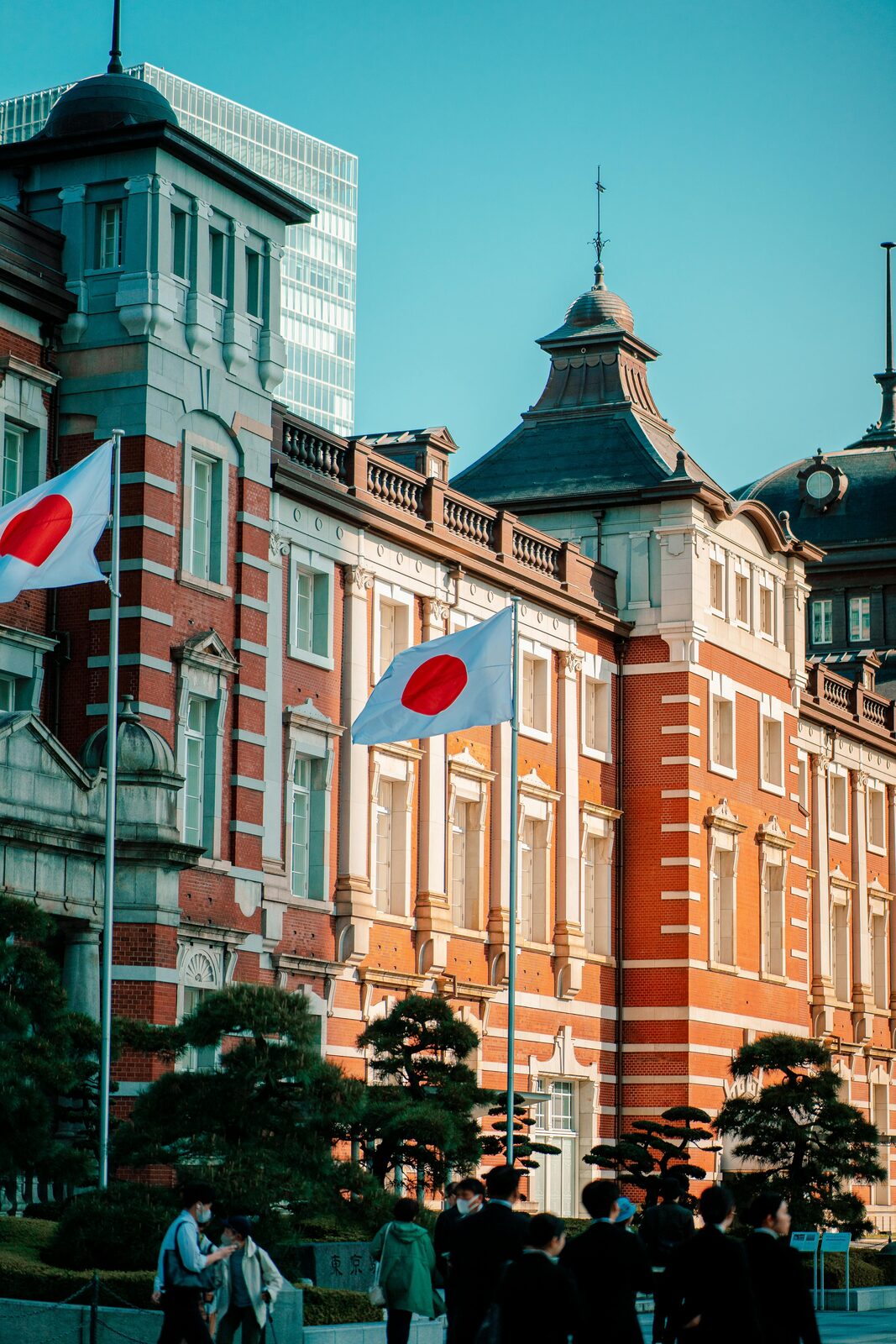 01 · Capital
4–5 nights
01 · Capital
4–5 nights