Carnival 2027 Presale Phase 1 ends in ··d ··:··:·· See →
New Year in Japan · CocoVolare

Year-end route · Japan

New Year in Japan

108 bell tolls, the first shrine visit of the year and a whole country in its most intimate celebration: Japan's Oshogatsu up close.

10-12 days 1 countries Concierge 24/7
Dec · Janbest time to travel · month by month
USD 5,200from, per person in double, international flights excluded · see tiers
10-12 days5 stages designed around you

The essence

Japan's biggest celebration looks nothing like a party

Oshogatsu, the Japanese New Year, is the most important holiday of the country's calendar, and it bears little resemblance to any Western New Year's Eve. On the night of the 31st, Buddhist temples ring their great bell 108 times in the Joya no Kane ceremony, one toll for each of the worldly desires tradition invites you to leave behind; at some temples, visitors may strike the bell themselves. Then comes hatsumode, the first shrine visit of the year, when millions of Japanese pray for health and fortune among amulet stalls and the steam of sweet sake. There is no countdown and no confetti: there are lanterns, quiet emotion and a sense of renewal that spreads in silence.

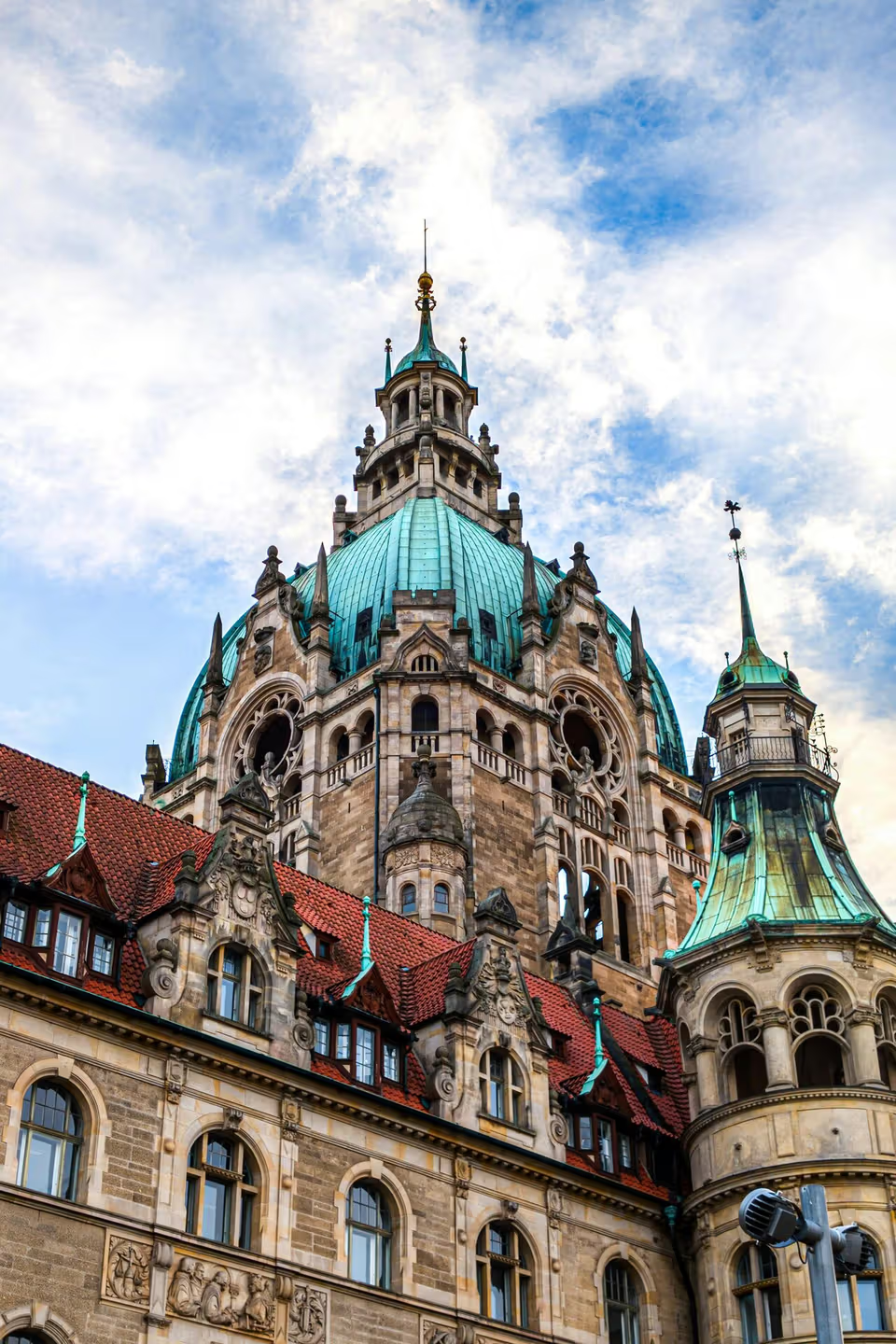
Around those dates we build a Japanese winter journey with a private guide: Tokyo in the days of the year-end markets and the great osoji cleaning, pine-and-bamboo kadomatsu dressing every doorway, the lacquered boxes of osechi ryori as the New Year feast, a ryokan with onsen near Mount Fuji and a Kyoto of temples without crowds. One detail few travelers know: on the night of the 31st, Tokyo's metro runs all night to carry people to hatsumode. Another worth knowing: from December 29 to January 3 many shops and restaurants close, which is why this trip is designed with confirmed reservations where others improvise.

108 tolls of the Joya no Kane on the night of the 31st
Jan 1 hatsumode, the first shrine visit of the year
24h Tokyo's metro runs all night on the 31st
5 days when the whole country pauses to celebrate

Stage by stage

The route, in 5 acts

A whole country's eve · New Year in Japan 01 · Tokyo

4 nights

A whole country's eve

Tokyo, Japan

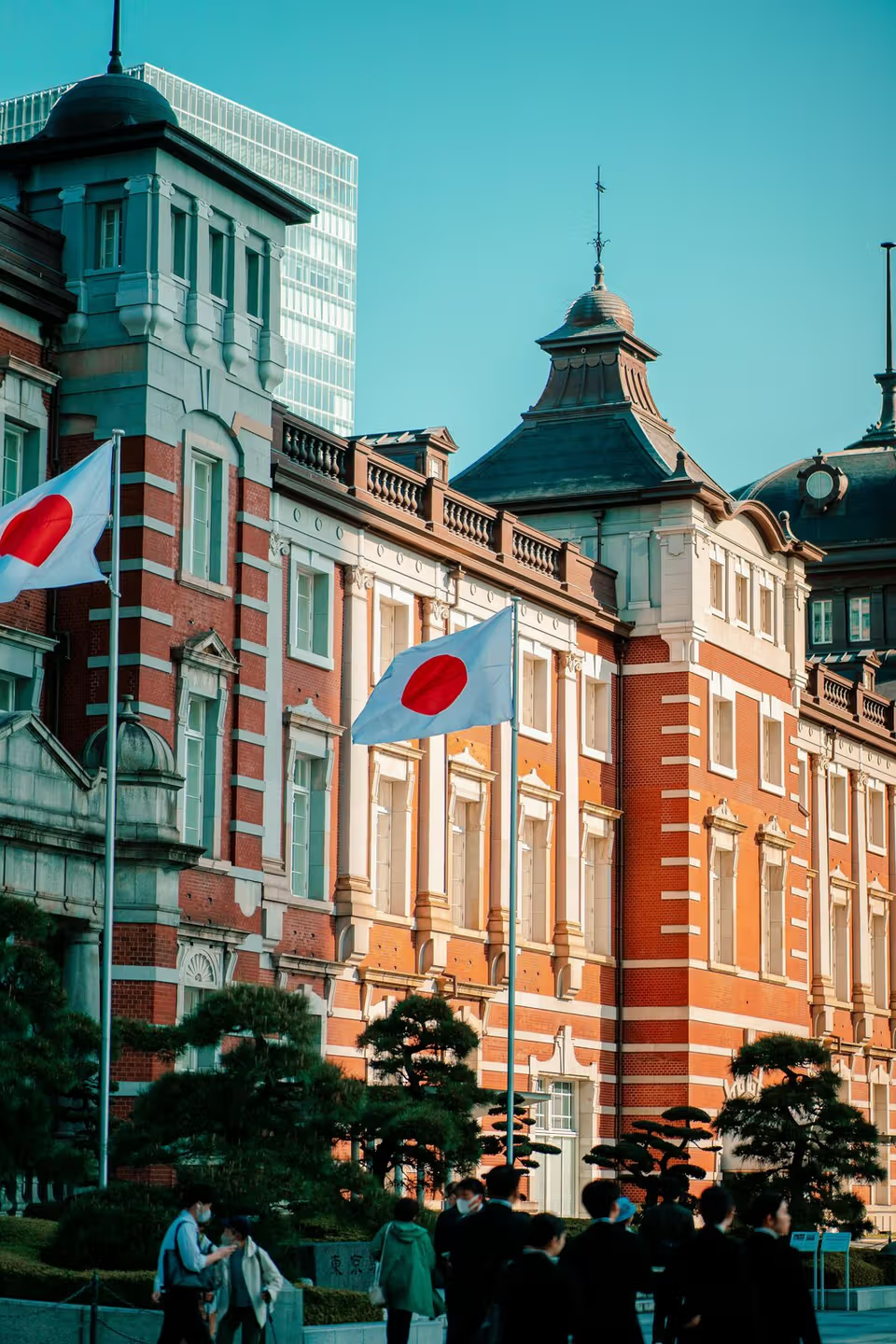
Tokyo in the final days of the year is a domestic spectacle: families perform osoji, the great cleaning that leaves the house ready for what comes, markets sell the ingredients of osechi and doorways wear kadomatsu of pine and bamboo. Between temples, neighborhoods and the city's best tables, your private guide explains the why behind every gesture. On the night of the 31st, the route brings you to a temple for Joya no Kane: 108 tolls, incense and the chance to strike the bell yourself. The metro runs all night, and the early hours end as they should: at the year's first hatsumode.

Highlights
Year-end markets and the osoji atmosphere · Joya no Kane: the 108 tolls at a temple · Late-night hatsumode with Tokyoites · Metro running all night on the 31st
The first days of the Japanese year · New Year in Japan 02 · Oshogatsu

included

The first days of the Japanese year

Tokyo, Japan

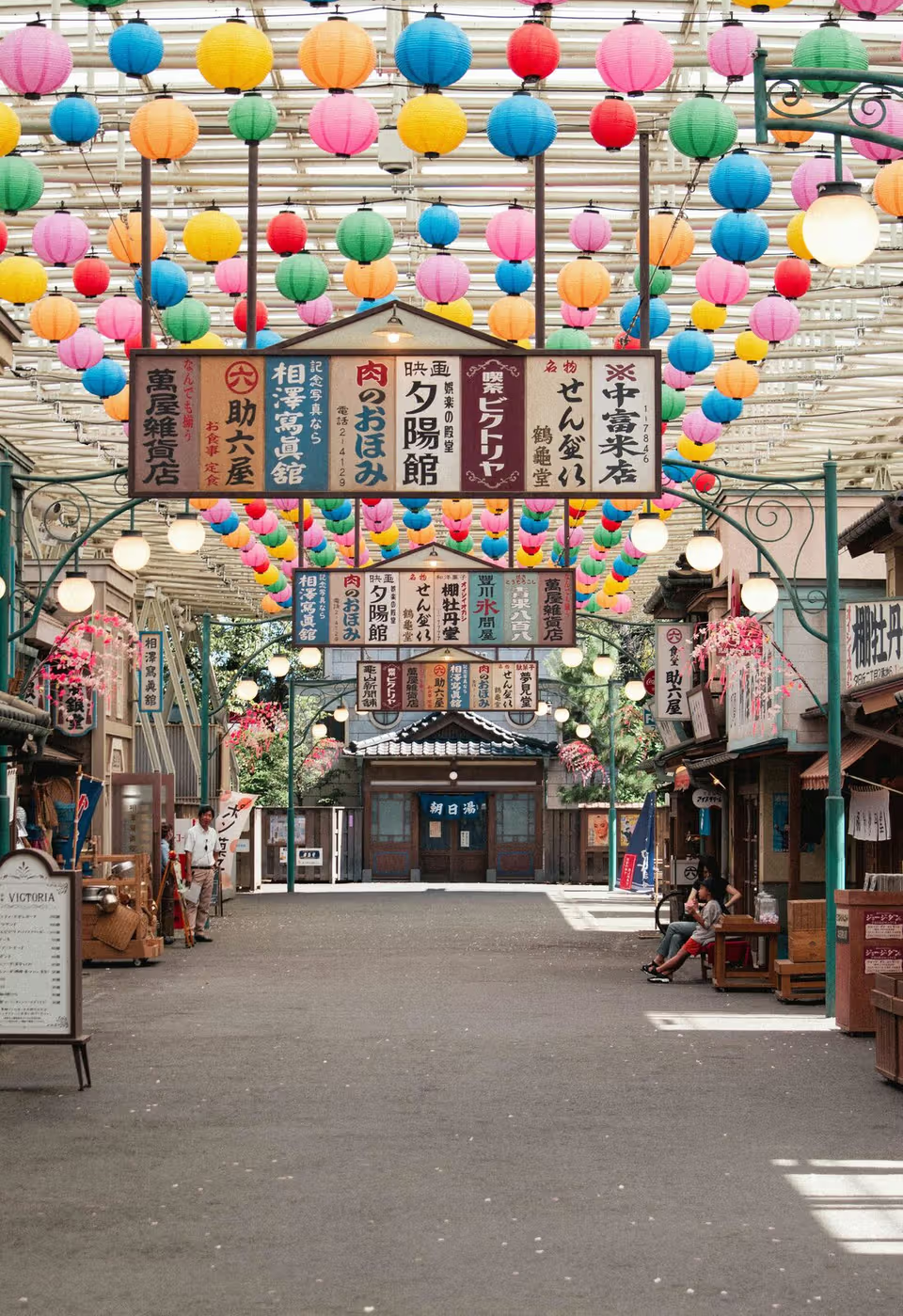
From January 1 to 3, Japan enters its best-loved pause: families eat osechi ryori from lacquered boxes where every bite carries a wish, children receive otoshidama envelopes and the famous shrines welcome crowds that move with a patience that is part of the rite. The route books ahead the worthwhile restaurants that stay open, visits the great shrines at first light to beat the tide and leaves room for the unexpected: a street performance, a New Year calligraphy exhibition, the year's first sunrise from a viewpoint.

Highlights
Osechi ryori: the feast of wishes · Unhurried hatsumode at the great shrines · January traditions decoded by your guide · Tables reserved while half the city closes
Onsen, steam and Fuji in the background · New Year in Japan 03 · Hakone

2 nights

Onsen, steam and Fuji in the background

Hakone, Japan

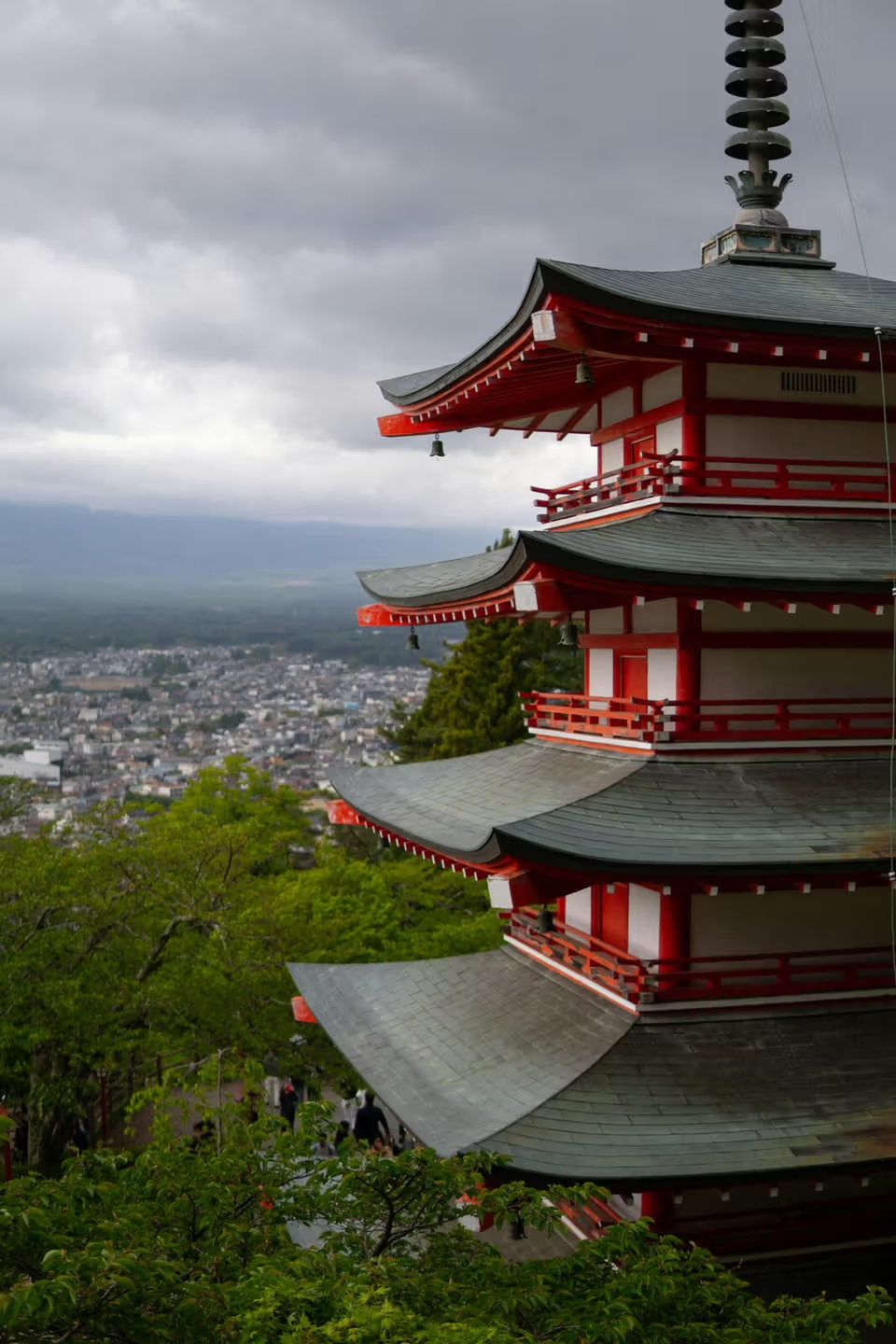
An hour and a half from Tokyo, Hakone slows everything down: a traditional ryokan with thermal baths, a kaiseki dinner served in your room and, with luck and clear skies, snow-capped Mount Fuji presiding over Lake Ashi. Winter is the best season to see it: cold air delivers the sharpest views of the year. Between baths, the ropeway over the volcanic valley of Owakudani and its black eggs cooked in the fumaroles.

Highlights
Ryokan with private onsen · Kaiseki dinner in your room · Snow-capped Fuji over Lake Ashi · Owakudani volcanic valley
A thousand temples, spoken softly · New Year in Japan 04 · Kyoto

3 nights

A thousand temples, spoken softly

Kyoto and Nara, Japan

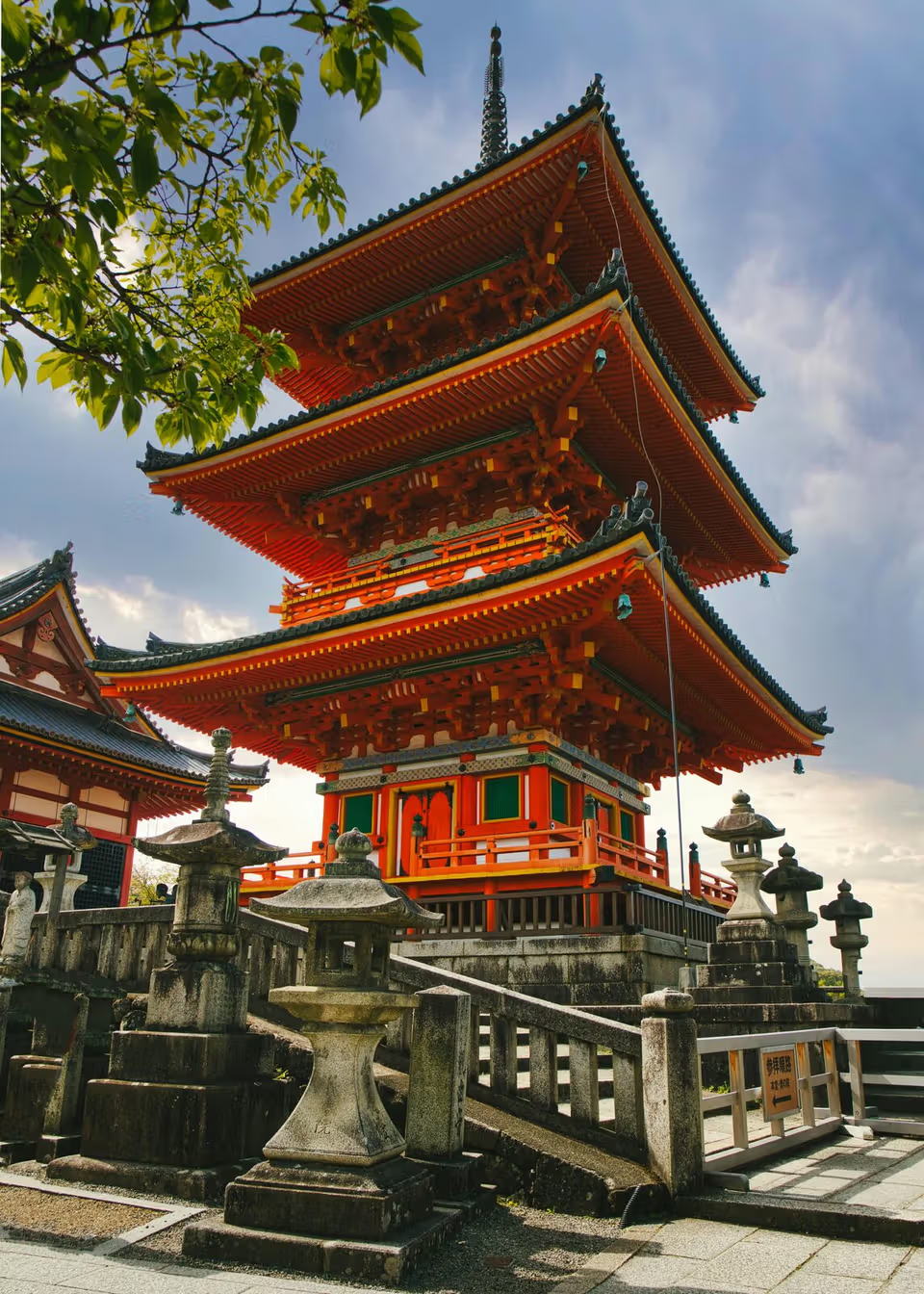
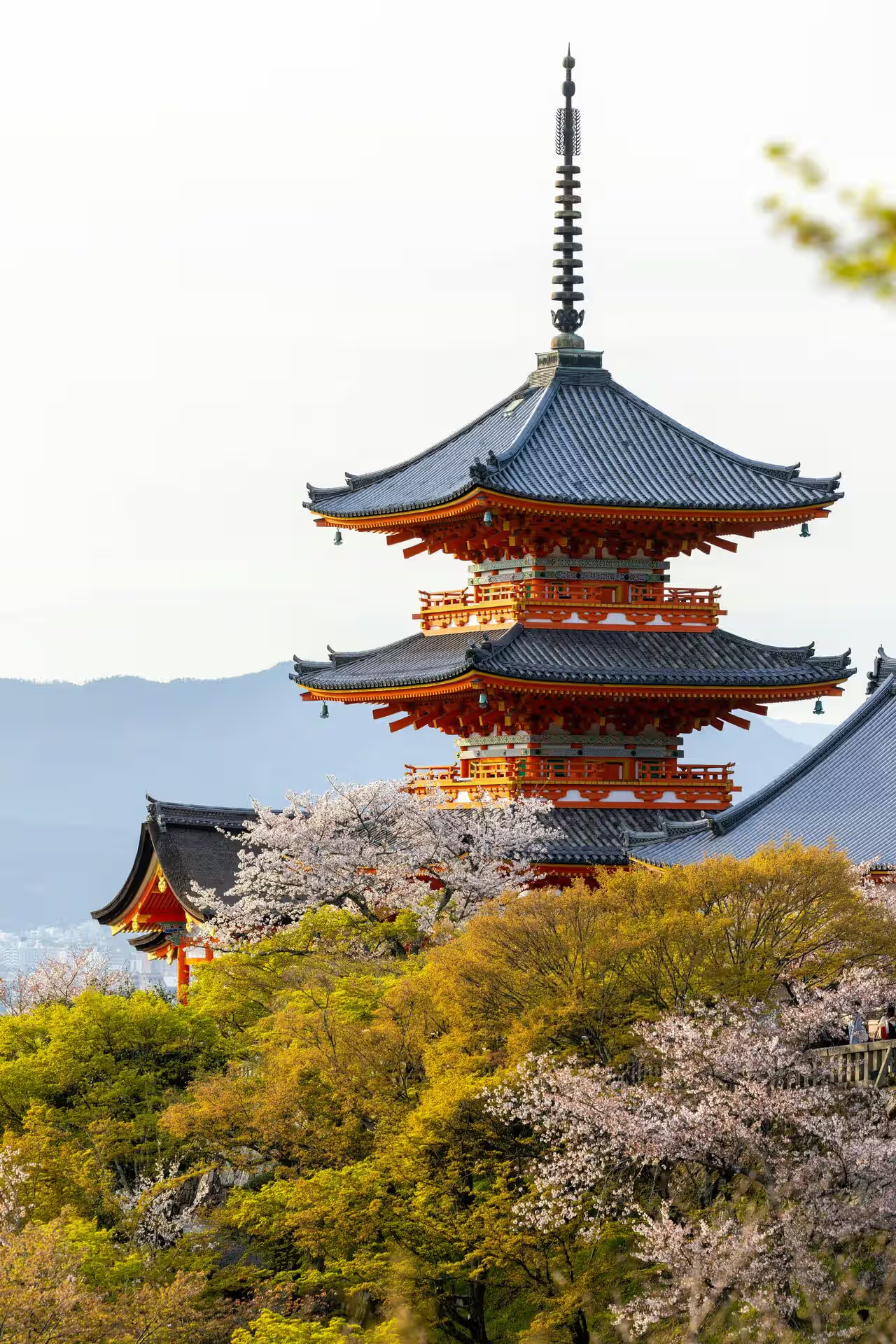
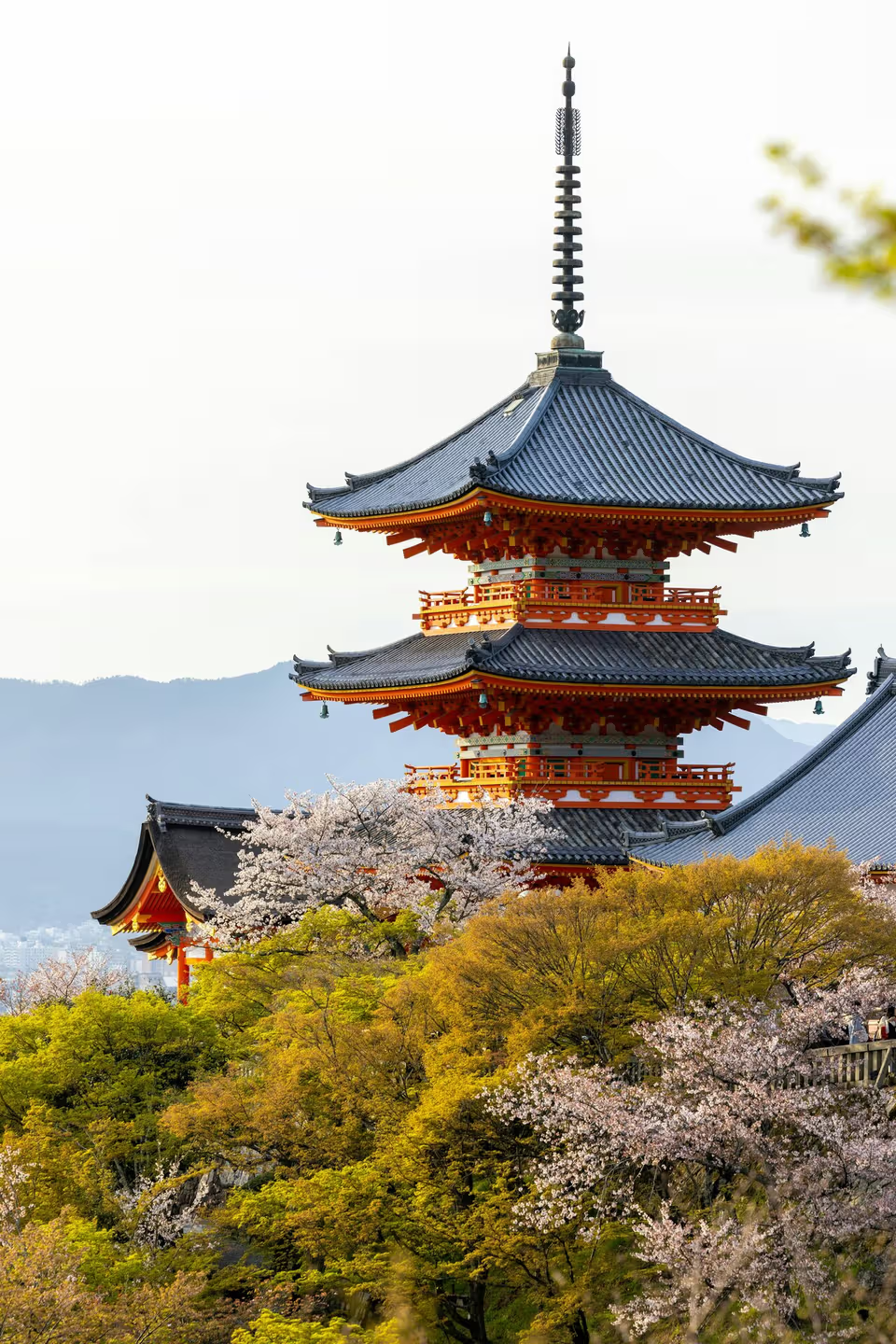
The bullet train delivers the route to the imperial capital in its most serene version: January is low season, and temples that overflow in spring can now be visited almost privately. The golden pavilion of Kinkaku-ji under frost, the thousands of torii gates of Fushimi Inari at dawn, Gion at lantern-lighting hour and a day trip to Nara to greet the sacred deer. A tea ceremony beside the brazier and seasonal cooking: the Japanese winter tastes of broth, citrus and charcoal.

Highlights
Kinkaku-ji and Fushimi Inari almost to yourself · Gion as the lanterns come on · Nara and its sacred deer · Winter tea ceremony
Snow as a garden · New Year in Japan 05 · Kanazawa

1 night

Snow as a garden

Kanazawa, Japan

The optional finale travels to the Sea of Japan coast: Kanazawa, the little Kyoto, where Kenrokuen garden rigs its yukitsuri every winter, the rope cones that protect the pines from the weight of snow and have become a spectacle in their own right. Omicho market for the season's best crab, the samurai quarter and gold leaf in every imaginable form. From here, a scenic train returns you to Tokyo for the flight home.

Highlights
Snowy Kenrokuen and its yukitsuri · Winter crab at Omicho market · Nagamachi samurai quarter · Scenic train back to Tokyo

In motion

A preview of the route

Climate

When this route works best

The route is built around Oshogatsu, arriving between December 27 and 29. January and February keep offering snowy Japan at friendly rates; in spring and autumn the country changes its show and its prices, and the design adapts.

Ideal Good Less advisable

When to go · season & budget

Seasons & estimated cost CocoVolare recommends High Mid Low
Jan: Mid season · ≈$8,400 per person/trip $8,400Jan Feb: Mid season · ≈$7,560 per person/trip Feb Mar: High season · ≈$10,080 per person/trip Mar Apr: High season · ≈$10,920 per person/trip Apr May: Mid season · ≈$8,400 per person/trip May Jun: Low season · ≈$7,140 per person/trip Jun Jul: Mid season · ≈$7,560 per person/trip Jul Aug: Mid season · ≈$7,980 per person/trip Aug Sep: Mid season · ≈$7,980 per person/trip Sep Oct: High season · ≈$9,660 per person/trip Oct Nov: High season · ≈$10,080 per person/trip Nov Dec: High season · ≈$11,340 per person/trip $11,340Dec

In our recommended dates, the estimated cost ranges from $8,400 to $11,340 per person/trip (Premium level, international flights not included).

Investment

What it costs, no fine print

Total per person in double occupancy: listed hotels and ryokan, first-class bullet train, private guiding in Tokyo and Kyoto, New Year's Eve dinner, entrances and transfers. International flights not included.

Experience levels · guide budget

USD · per person/trip
Essential Essential: $5,200 USD · per person/trip $5,200 Well-located 4-star hotels, a traditional ryokan with onsen, bullet train, private guiding on the key days and a reserved December 31 dinner. Premium Premium: $8,400 USD · per person/trip $8,400 5-star hotels and a ryokan with a private open-air bath, private guiding throughout, preferred access to a Joya no Kane ceremony and reserved signature tables. Signature Signature: $13,500 USD · per person/trip $13,500 Tokyo and Kyoto's finest addresses, private temple and tea-house experiences, high-end vehicle transfers and a dedicated 24/7 concierge.

Reference prices subject to season, availability and exchange rate. Every route is quoted bespoke.

CocoVolare recommends

What we would tell a friend

Advice from our travel designers: what we book first, what we avoid, and the details that turn a good trip into an unforgettable one.

01

Reserve where others improvise

From December 29 to January 3 many restaurants, museums and shops close for the holidays. The difference between a memorable trip and a convenience-store trip lies in confirmed reservations, which is exactly what we solve before you fly.

02

Joya no Kane is a ceremony, not a countdown

The 108 tolls are a Buddhist rite that invites reflection: it is lived quietly, with respect and without noisy toasts. That restraint is precisely what makes it unforgettable.

03

Rise early for hatsumode

The most famous shrines receive millions of visits in three days. The secret is choosing well: a great shrine at first light on January 2, or a neighborhood shrine in the small hours of the 1st, where the rite feels the same and the line disappears.

04

Winter is Japan's best-kept secret

Clear skies for Fuji, temples without crowds, crab and seasonal broths, and snow as the stage set. January is one of the cheapest and most beautiful months to travel the country.

05

Cash for the amulets

Japan is going digital, but shrine stalls, omamori charms and offerings still run on coins and small bills. A purse of loose yen is part of the hatsumode kit.

06

Layers here too

Tokyo and Kyoto sit between 0 and 10 degrees in January, dry and sunny; Kanazawa adds snow. Thermal layers, a good coat and comfortable shoes: temples are explored on foot, and removing shoes indoors is part of the protocol.

FAQ

Frequently asked questions

Is this a good season for a first visit to Japan?

Excellent: year-end reveals Japan at its most authentic, the Japan of family traditions, and January delivers crowd-free temples and crisp skies. The itinerary also covers the classics of any first visit: Tokyo, Fuji, Kyoto and Nara.

Can I strike the Joya no Kane bell myself?

At some temples, yes: limited turns are distributed so visitors can deliver one of the 108 tolls. We arrange access in advance and, where it is not possible, choose temples where the ceremony can be experienced up close.

What visa do I need?

US, Canadian, UK and EU passport holders enter Japan visa-free for tourism. For nationalities that require a visa, the process is documentary and we support it with itinerary, bookings and an agency letter.

Will everything be closed on those dates?

Part of the shops and many small restaurants close, especially January 1 to 3. Temples and shrines, on the other hand, live their most intense days, and the route reserves weeks ahead the tables and experiences that do open. Well designed, these dates become an advantage rather than a problem.

Does the bullet train run over New Year?

Yes: trains operate normally through the holidays, which are the country's busiest travel days. That is why reserved seats are secured in advance, something we leave solved before the trip.

New Year in Japan

No molds, made to measure

Tell us what excites you and we will design a tailor-made proposal in under 24 hours, with a dedicated travel designer.