
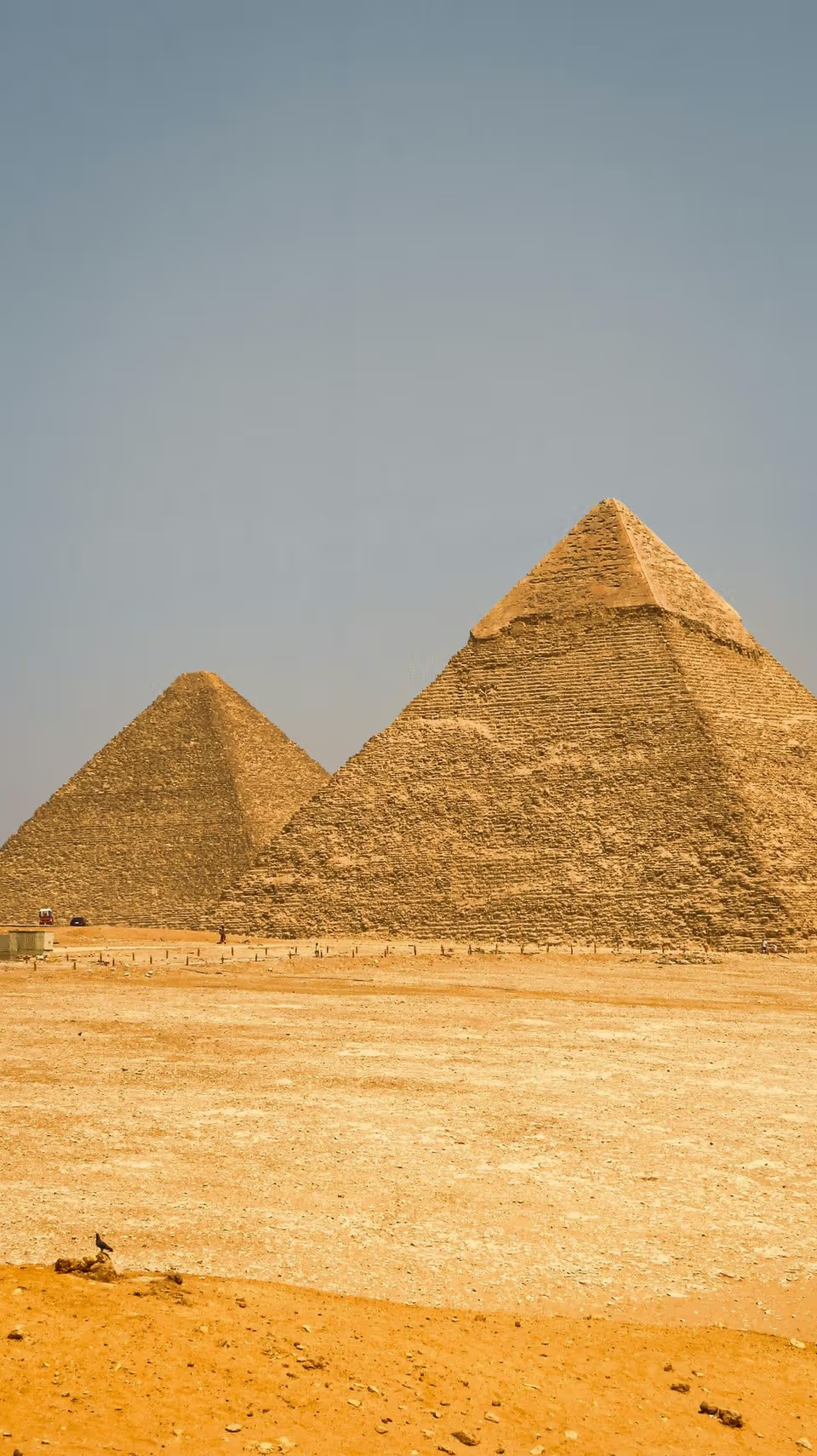
The first time in front of the pyramids tends to produce a strange silence: forty-five centuries staring back. A few meters away, a guide patiently waves off the camel sellers, and in one minute the traveler understands the two Egypts that coexist: the monumental one, which takes your breath away, and the everyday one, which demands street sense. This is our honest answer about the second, so you can enjoy the first.
The short answer
Egypt’s classic circuit, Cairo and Giza, Luxor, Aswan, the Nile cruise and the Red Sea resorts, runs normally and under permanent tourist policing. To be honest about it: the US advisory sits at Level 3, a more cautious step than other destinations in this series carry, which is exactly why good design and local support matter more here than anywhere. The zones governments ask travelers to avoid are peripheral and remote: North and Middle Sinai, the deep Western Desert and the Libyan border strip. No reasonable tourist itinerary passes through any of them.
What the official advisories say as of November 2026
The US State Department places Egypt at Level 3: Reconsider Travel, citing terrorism risk, and flags as do not travel zones North and Middle Sinai, remote areas of the Western Desert and the Libyan border area. That is a more cautious level than Turkey or Panama carry, and it deserves to be said plainly. The full reading matters too: the risk behind the advisory concentrates far from the classic circuit, and the UK FCDO does not advise against the main tourist destinations. Cairo, Luxor, Aswan, the Nile cruise and the Red Sea (Hurghada, Sharm el-Sheikh, Marsa Alam) operate daily with reinforced security at sites, hotels and airports, and that is where serious operators work.
Area by area
Cairo and Giza ask what every 20-million megacity asks: a local guide, coordinated transfers and patience with the traffic. Luxor and Aswan have lived on tourism for a century and a half; the temples, the tombs and the Nile cruise are among the most practiced experiences on the planet. The Red Sea, from Hurghada to Marsa Alam, operates like any international beach destination, with its own airports that skip Cairo entirely. Deep Sinai and the Western Desert stay out of our designs, without exception.
The real day-to-day risks
What a traveler actually meets in Egypt rarely makes headlines: aggressive haggling and tips requested for everything, opportunistic theft in crowded spots, verbal harassment of women traveling alone, and the road, which is the country’s biggest statistical risk. It also pays to choose your Red Sea dive boat carefully, because standards vary between operators, and to know that taking coral or shells out of the country is forbidden and confiscated at airports.
What a well-designed trip solves
Each of those risks has a design answer: an Egyptologist guide who filters the noise and negotiates for you, a private driver instead of self-driving, trains or internal flights for the long distances, hotels and boats chosen on verified standards and a 24/7 WhatsApp line with someone who knows your plan. For women traveling solo, a private guide transforms the experience entirely. Our tailor-made Egypt trips are built exactly that way.
Frequently asked questions
Is the Nile cruise safe?
It is one of the most established tourist experiences in the world: the Luxor-Aswan route sails calm waters between zones under permanent tourist policing. The choice of boat matters more than the safety of the route, and we work only with verified fleets.
Is the Red Sea safe for diving?
Yes, with one nuance: operator standards vary. We choose dive centers with current certifications, audited boats and proper guide-to-diver ratios, and we skip the dockside offers that compete on price alone.
Can women travel solo in Egypt?
Thousands do every year. Verbal harassment exists and is the most repeated complaint; traveling with a private guide reduces it to almost nothing, as do well-located hotels and coordinated transfers. Practical clothing covering shoulders and knees helps outside the resorts.
When is the best time to go?
October to April: mild days for temples and desert. Summer hits hard in Luxor and Aswan, though the Red Sea is enjoyable all year. Our Egypt guide includes month-by-month climate.
Do I need a visa for Egypt?
Most passports from the Americas and Europe get a visa on arrival or a simple e-visa. We verify your nationality while designing the trip and leave the exact steps in writing.
Advisories evolve; this guide reflects November 2026 and we update it as things change. Before booking, always check travel.state.gov and gov.uk, and for an itinerary built on current local knowledge, write to us: the first conversation is free.